Is It Better To Fly Into Santo Domingo Or Punta Cana?
Airport choice changes which day trips are practical from your Dominican Republic base. Here is how Santo Domingo and Punta Cana compare on drives, costs and excursions.
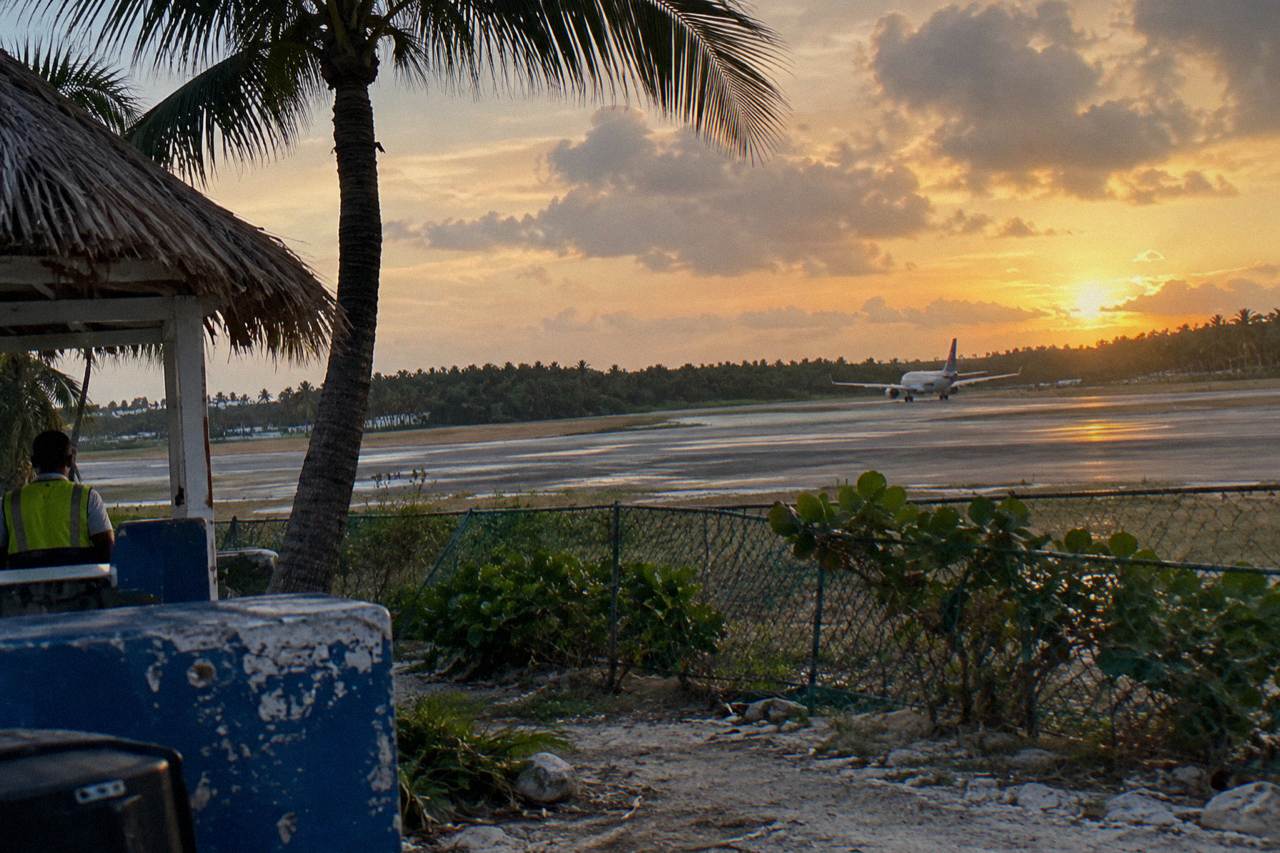
The flight search shows two Dominican airports within reach of the same beaches, and the price difference between them can look tempting. It usually is not the whole story. Santo Domingo's Las Americas airport sits about 30 minutes from the colonial zone but roughly two and a half hours from Punta Cana's hotel strip, while Punta Cana International sits inside the resort area itself. That single geography fact shapes almost everything else: your transfer cost, your first afternoon, and which day trips are realistic without burning a vacation day on a highway.
This article walks through the trade in practical terms, drive times, arrival logistics, costs, and above all excursion access, because the airport question is really a question about what you plan to do once you land.
Fly into Punta Cana if the trip is about beaches, boats and resort downtime: the airport sits inside the hotel zone, transfers start around $29 to $35 per vehicle, and the Saona and Catalina departure piers are 60 to 90 minutes away. Fly into Santo Domingo only if the colonial city is the point of the trip, or the fare saving is large enough to pay you back for a two and a half hour drive each way.
For most travelers the answer is Punta Cana, and the reason is simple arithmetic. The drive between Santo Domingo and Punta Cana runs about 2.5 hours each way on the Autopista del Coral, the toll highway linking the capital to the east coast. A family that flies into the capital "because it was $60 cheaper" then pays for a private transfer both ways and loses most of a day each direction. Against a $60 per person saving, that math rarely works.
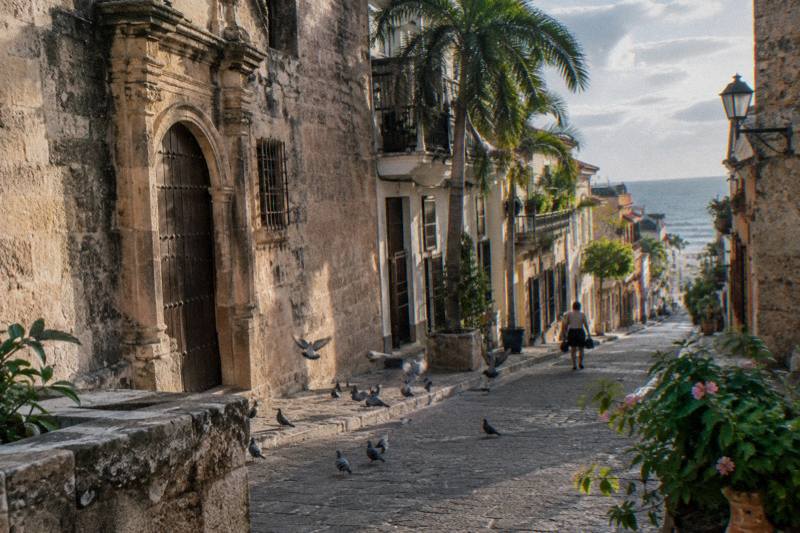
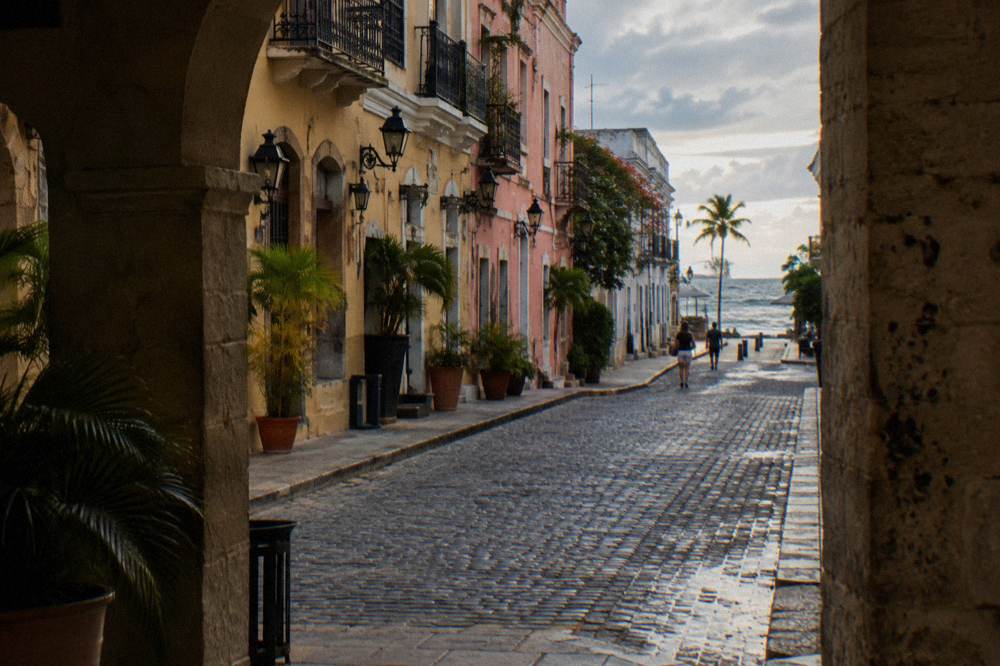
Santo Domingo earns its airport when the city itself is the destination. The Zona Colonial is the oldest European settlement in the Americas, a walkable grid of old stone streets, and it deserves more than the hurried two hours a day trip allows. If your itinerary is three nights in the capital followed by a coast leg, arriving at Las Americas makes complete sense.
There is a third pattern worth naming: some travelers fly into one airport and out of the other, avoiding the backtracking entirely. Dominican domestic flights and private transfers make this workable, and it pairs well with a split trip, more on that below.
If Punta Cana wins for you, the excursion menu opens immediately. The Saona Island options alone range from a big shared catamaran day at from $71 per person, rated 4.4 across 4,780 reviews, to a small group trip capped at 12 travellers from $165 per person, rated 4.9 across 1,572 reviews.
How Far Is Each Airport From The Main Hotel Zones?
Punta Cana International sits roughly 15 to 40 minutes from the Bávaro and Cap Cana resort strips, with private one-way transfers starting at $29 to Cap Cana and $35 to Bávaro per vehicle for up to six passengers. Santo Domingo's airport is about 30 minutes from the Zona Colonial but 2.5 hours by road from Punta Cana, so the "same beaches" framing hides a real drive.
Those transfer figures are per vehicle, not per person, which changes the comparison for families. A party of four crossing from the capital to Punta Cana privately is usually quoted per car, and the tolls on the Autopista del Coral add a small amount on top. Shared shuttles cost less per head but make multiple hotel stops, so the two and a half hours of driving can stretch toward three and a half door to door.
The geography worth holding in your head: Punta Cana airport sits at the southern edge of the resort zone, Cap Cana closest, then Punta Cana village, then Bávaro and El Cortecito stretching north, and Uvero Alto furthest of all. Pickup times for early excursions are earliest from the northern zones, so Uvero Alto guests often see 6:30 a.m. pickup slots on full day trips.
From Santo Domingo, the reference points run the other direction. La Romana sits partway along the route, Altos de Chavón is 75 to 90 minutes from Punta Cana, and Punta Cana itself about 2.5 hours from the capital. Those are the same travel times the day-trip schedules are built on, so a 10-hour Santo Domingo tour from Punta Cana leaves plenty of the day for the city itself. For driving the corridor independently, an eastern Dominican Republic road trip guide covers the segments and tolls.
What this means for excursions is stark. Guests staying in Punta Cana are picked up at their hotel lobby for essentially every tour sold on this site. Guests staying in Santo Domingo are picked up for a much smaller set, and the Saona boats, which depart from the Bayahibe and Dominicus pier area, are a 2 hour drive from the capital before the boat leg even starts.
Which Airport Is Cheaper To Fly Into?
Fares decide this, not sticker logic: Santo Domingo is sometimes cheaper on the flight itself, especially from US hubs with heavy competition, but Punta Cana usually wins the total trip budget once transfers are counted, because a $29 to $35 per vehicle airport transfer beats a 2.5 hour intercity drive. Do the full sum before booking.
The honest answer is that airfare swings by route, month and carrier, and no fixed rule holds. What does hold is the cost stack on the ground. From Punta Cana airport, private one-way transfers to the hotel zone start at $29 to Cap Cana and Punta Cana village and $35 to Bávaro and El Cortecito, taxes included, for a vehicle carrying up to six. Drivers meet arrivals inside the terminal with a name sign and track flights, so a delay does not strand you.
From Santo Domingo, add the intercity leg. Whether you book a private transfer, a domestic flight or a rental car, that is a real line item per direction, plus tolls, plus most of a daylight half day. If the fare difference is under the transfer cost for your whole party, Punta Cana is cheaper overall.
| Cost item | Into Punta Cana | Into Santo Domingo |
|---|---|---|
| Airport to hotel zone transfer | From $29 to $35 per vehicle, one way, up to 6 passengers | About 30 minutes to the Zona Colonial by taxi or transfer |
| Reaching the other city | Not needed if the coast is your base | 2.5 hours by road each way, tolls apply |
| Arrival immigration | Usually 15 to 40 minutes depending on flight volume | Varies by terminal and time of day, check current reports |
| Excursion pickup | Hotel lobby pickup listed on nearly all tours | Limited set, long drives to the eastern piers |
One more arrival cost is actually zero: the E-Ticket. The official entry and exit form is free and completed online before you fly, one QR code for arrival and a separate one for departure, with a single form covering a family of up to seven. The $10 tourist card fee is already included in most airfares and is not paid separately at the airport. The official form lives at eticket.migracion.gob.do.
If the city is the part of the trip you refuse to miss but the coast is where you are staying, there is a clean way to have both from a Punta Cana base, and it removes the airport dilemma entirely.
Money on the ground is easy either way. US dollars are widely accepted for tips, transfers and resort services, so small USD bills work everywhere without any airport exchange stop. The local currency is the Dominican peso, but excursion pricing on this site is quoted in USD, so there is no conversion to manage on tour day.
Which Day Trips Are Easier From Each Airport?
From a Punta Cana base, everything on the water and in the hills is a hotel-pickup day trip: Saona crossings from $66 to $169 per person, buggy and ATV circuits from $24, ziplines from $65, and Altos de Chavón about 75 to 90 minutes away. From Santo Domingo, the easy wins are the city itself and the southwestern interior, while the islands and beaches become two way drives of two hours before the boat even leaves.
The excursion economics follow the piers. Saona and Catalina boats leave from the Bayahibe and Dominicus area inside Parque Nacional Cotubanama, which is 60 to 90 minutes from Punta Cana hotels but roughly two hours from the capital. Every Saona tour on this site lists hotel pickup, and that pickup is a road transfer to the pier first, so your base decides whether that transfer is a nap or a commute. Other pages covering the same trip are gathered on Punta Cana Travel Tours.
The Saona menu illustrates the range available from a Punta Cana base. The classic catamaran day with buffet lunch runs 8 hours from $71 per person and is rated 4.4 across 4,780 reviews, with up to 50 travellers aboard. A step up in exclusivity, the Full Day Excursion with all inclusive service caps the group at 30, runs 8 hours from $85 per person and carries a 4.7 rating across 362 reviews. The quiet end of the scale, Saona with Mano Juan and Canto de la Playa away from crowds, runs 8 hours from $119 per person, rated 5.0 across 168 reviews, a modest review pool but a perfect score.
The Saona and Altos de Chavón combination deserves a special mention for this exact article, because it straddles both worlds. At 1 day long and from $92 per person, rated 4.4 across 346 reviews, it pairs the island boat day with the reconstructed Mediterranean style artists' village above the Chavón river, which sits much closer to the Santo Domingo side of the corridor. If you are torn between the two destinations, this tour is the compromise in miniature.
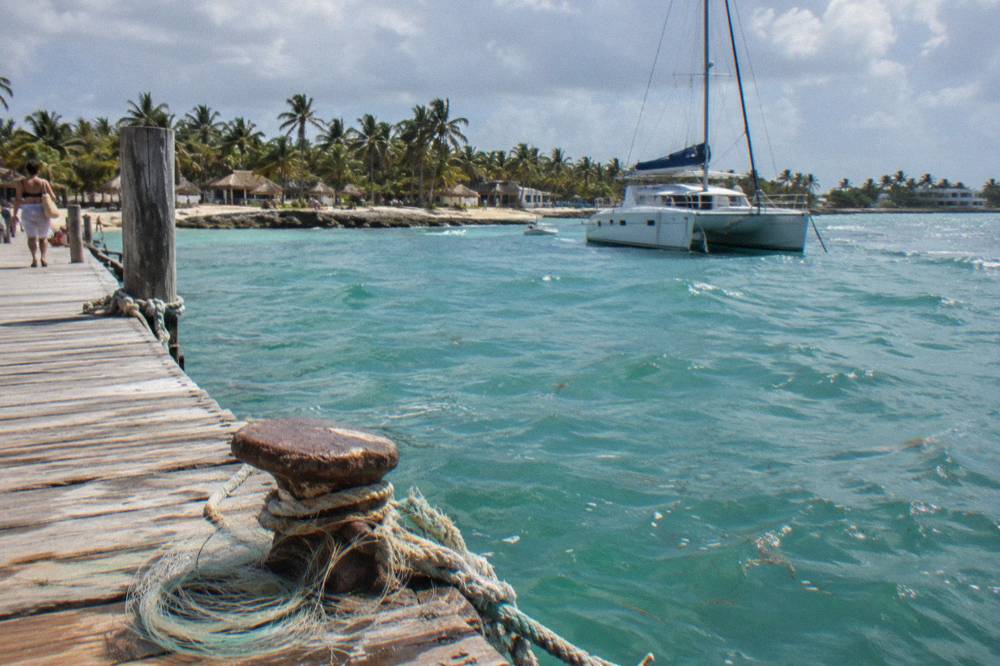
From Santo Domingo, the roles flip. The city's own attractions need no tour at all, and the colonial zone's plazas and old streets are free to wander. The southwestern day trips, lakes, desert and mountains, are genuinely easier from the capital than from the east coast. But if you are staying in Punta Cana and want the capital's history, the Full-Day Santo Domingo City Tour covers it in one organized push: 10 hours, from $95 per person, rated 4.8 across 5,427 reviews, with hotel pickup, lunch, drinks and free cancellation all listed. That tour exists precisely because so many coast based travelers face this airport question in reverse and choose not to move hotels.
Land adventures follow the same split. Buggy and ATV circuits cluster around Macao Beach and the inland cenotes, all within the Punta Cana orbit, from $24 per person for the basic cenote and beach stops up to about $65 for the half day 4x4 runs with Dominican culture stops. Ziplines run from $65 for an 8 line course to $209 per group of up to 4 for the big Monkeyland, zipline and buggy bundle, rated 4.9 across 13,875 reviews, one of the most reviewed products in the region.
What Does The Arrival Process Look Like At Punta Cana Airport?
Arrivals at Punta Cana move quickly by Caribbean standards: immigration usually takes 15 to 40 minutes, baggage and customs follow, and pre-booked drivers meet you inside arrivals with a name sign, tracking your flight so a delay costs nothing extra. Complete the free E-Ticket before boarding or the forms queue will eat your margin.
The E-Ticket is the one arrival step travelers still trip over. It is free, official, and required for commercial flights, and it generates two separate QR codes, one for entry and one for exit. A family of up to seven people can share one form. Getting it done at home turns the arrivals hall into a scan and a stamp instead of a forms scramble at a crowded counter.
Terminal layout matters for your driver. Punta Cana's terminal A handles many Canadian and European charter flights, terminal B handles most US carriers including American, Delta, United and JetBlue. Pre-booked transfer drivers watch flight numbers rather than terminals, so you do not need to manage that, but knowing your terminal helps when a shared shuttle coordinator asks.
Shared shuttles cost less than private transfers but make multiple hotel stops, which matters after a long flight with children. Private vehicles for up to six start at $29 to Cap Cana and $35 to Bávaro one way, taxes included, and the wait is effectively zero because the driver is already inside when you clear customs.
The same arrival basics apply at Las Americas in Santo Domingo, with one difference: the airport is a big-city international hub, so queues swing more with widebody arrivals, and the Zona Colonial hotel you are heading to is only about 30 minutes away. The airport experience itself is not the deciding factor between the two. What happens after the curb is.
Should You Split A Trip Between Both Cities?
Splitting works well and removes the backtracking problem entirely: fly into Santo Domingo, spend two or three nights in the colonial zone, then transfer once to Punta Cana, about 2.5 hours, and fly home from PUJ. The open jaw pattern costs a little more on airfare sometimes, but it converts a wasted return drive into an extra day on each side.
The colonial zone repays an overnight stay in a way a day trip cannot match. The stone alleys quiet down in the evening, the plazas fill with locals, and the museums and the first cathedral of the Americas can be visited without a wristwatch. Two nights is enough; three is comfortable. Then a single private transfer east turns the page to the beach chapter.
Timing the transfer matters for excursion bookings. If you arrive in Punta Cana mid afternoon, do not book a Saona trip for the next morning without checking the pickup time, big shared tours start pickups from about 6:30 to 8:00 a.m., earlier from northern hotel zones like Uvero Alto. Give yourself a buffer day for flight delays and the transfer itself.
The reverse split, coast first then city, works too and suits travelers who want to end the trip with culture rather than sand fatigue. From a Punta Cana hotel, the Santo Domingo day trip guide covers the organized option, and the full day Santo Domingo city tour handles the whole thing with pickup, lunch and guide included.
Travelers who choose the split often ask about the stretch in between, and Altos de Chavón is the answer. It sits 75 to 90 minutes from Punta Cana and closer to an hour from the capital side, perched above the Chavón river near La Romana, which is about 55 to 80 minutes from Punta Cana overall. It breaks the drive naturally and is, on its own, one of the more photogenic hours in the country.
For planning the coast half, the seasonal picture is friendly: late October 2026 beach reports showed clean water and low sargassum across the Bávaro and Cap Cana shorelines, with beach scores running 67 to 76 out of 100, and live forecasts are tracked continuously (the Punta Cana sargassum forecast).
The boat menu from the coast base is deep, and the catamaran day with food and open bar shows the value end of it: 8 to 8.5 hours from $66 per person, rated 4.3 across 1,218 reviews, with hotel pickup, meal, drinks and free cancellation all listed. For a fuller comparison of the island options, the Saona Island tour guide breaks down every departure style.
What About Weather, Seasons And Timing?
Both airports sit in the same climate regime, so weather rarely decides the choice: the December to April high season is drier and pricier, August to October is hurricane season winding down, and by late October 2026 the Atlantic season had produced 10 named storms and a single hurricane, a below average tally, with nothing active in the final week of October.
The practical timing advice is about excursions, not airports. Book boat trips early in your stay rather than the last day, so a weather reschedule does not collide with your flight home. Every tour on this site lists free cancellation, which makes early booking low risk, but rebooking needs a spare day.
High season, roughly December through April, raises prices on flights into both airports, and the December to April window is also when Saona prices sit at the top of their range, per operator notes on seasonal pricing. Shoulder months trade a small chance of rain for meaningfully quieter beaches and piers.
For arrivals, one safety note that applies to either airport: the US State Department rates the Dominican Republic at Level 2, exercise increased caution, with tourist areas generally safer than urban centers. That rating is standard for much of the Caribbean and is not specific to either airport; normal resort zone precautions apply.
Common Questions About Flying Into Santo Domingo Or Punta Cana
Is It Better To Fly Into Santo Domingo Or Punta Cana?
For a beach and excursion focused trip, Punta Cana: the airport sits inside the resort zone, transfers start at $29 to $35 per vehicle, and every major day trip picks you up at your hotel. Choose Santo Domingo when the colonial city is the destination or the fare saving clearly exceeds the cost and time of the 2.5 hour transfer each way.
How Far Is Punta Cana Airport From Santo Domingo?
About 2.5 hours each way by road on the Autopista del Coral, the toll highway linking the capital to the east coast. La Romana sits roughly an hour from the capital side and Altos de Chavón 75 to 90 minutes from Punta Cana, which makes a split stay easy to route.
Which Airport Is Closer To Saona Island Tours?
Punta Cana. Saona and Catalina boats depart from the Bayahibe and Dominicus pier area, 60 to 90 minutes from Punta Cana hotels by road transfer. From Santo Domingo you would drive roughly two hours to the pier before the boat leg, so the island day trips are built around a Punta Cana or Bayahibe base.
Can I Visit Santo Domingo Without Staying There?
Yes. The Full-Day Santo Domingo City Tour from Punta Cana runs 10 hours, from $95 per person, rated 4.8 across 5,427 reviews, with hotel pickup, lunch, drinks and free cancellation listed. It is a long day, but it delivers the colonial zone's highlights without changing hotels.
Do I Need To Fill In A Form Before Arriving At Either Airport?
Yes. The E-Ticket is a free, mandatory online entry and exit form for commercial flights, with separate QR codes for arrival and departure and one form covering a family of up to seven. The $10 tourist card fee is included in most airfares and is not paid separately at the airport.
Is It Cheaper To Combine Both Cities In One Trip?
Often, yes, when you fly into one airport and out of the other. The open jaw fare sometimes costs slightly more, but you avoid paying the 2.5 hour intercity transfer twice, and you gain roughly a full day on each side. Price both itineraries before choosing.