Is Samana Nicer Than Punta Cana?
A comparison of Samana and Punta Cana: beaches, whales, travel times, season by season costs and which one suits your trip.
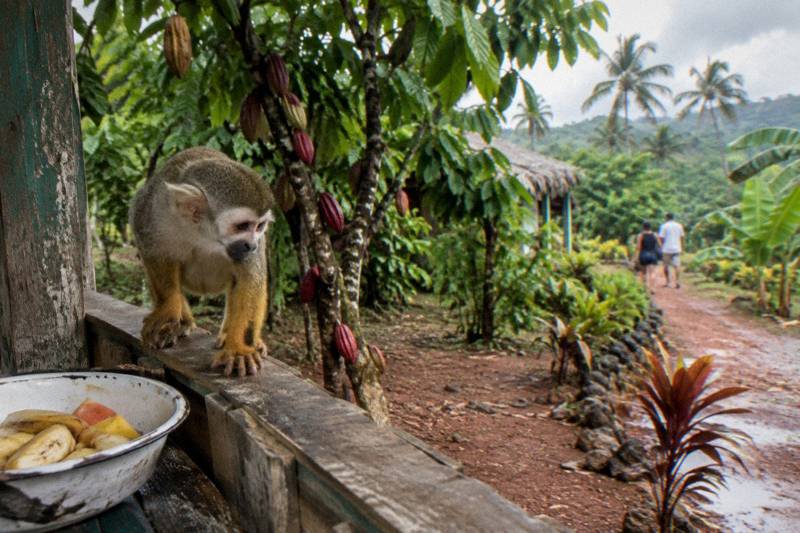
Roughly three hours of highway separate Punta Cana from the Samana peninsula, and in that distance the Dominican Republic changes character twice. Punta Cana is a purpose-built resort strip of more than a hundred hotels along Bávaro and Cap Cana, with boats leaving every morning for Saona Island and catamaran cruises inside the reef. Samana is a hilly green peninsula on the north side of the bay, known for humpback whales between mid-January and late March, the waterfall at El Limón and the town of Las Terrenas, which retains a fishing village feel despite its growth.
Neither is objectively nicer. They answer different questions. This comparison lays out what each does well, what each costs and what the drive between them involves, using current tour prices and season facts, so you can decide which fits your trip or whether to do both.
Samana is wilder, greener and quieter, with whale watching from mid-January to late March, while Punta Cana has the resorts, the infrastructure and the easiest access to booked tours such as the Catamaran Boat to Saona Island with Buffet Lunch from $71 per person. "Nicer" depends on whether you value scenery and solitude or convenience and choice, and most travelers can sample both.
Samana's appeal is physical: a peninsula of ridges, coconut plantations and half-moon beaches that face both the Atlantic and the bay. Its signature event is the annual humpback whale gathering. The 2026 season ran from January 15 to March 30, and the Dominican Ministry of Environment issued 46 environmental permits for whale watching operations that year, a sign of how regulated, and how popular, the activity has become. Watching a 40-ton animal breach inside a protected sanctuary is an experience Punta Cana cannot replicate, because the whales calve in Samana Bay, not on the east coast. If you're based on the east coast and still want to see the whales, our guide to planning a whale watching day trip from Punta Cana covers the drive, the season timing, and what a tour actually costs.
Punta Cana's appeal is logistical. Flights land at PUJ, hotels sit fifteen to forty minutes from the terminal, and the tour selection is the deepest in the country. The most reviewed adventure products in the region, such as the Adventure Bundle covering Monkeyland, ziplines and buggies, rated 4.9 across 13,875 reviews, run daily with hotel pickup included. In Samana you arrange excursions through smaller local operators, often with more scheduling flexibility but fewer departures per day.
There is also a crowd question. Punta Cana's flagship day trip, Saona Island, moves thousands of visitors a week through the same piers at Bayahibe in high season. Samana's beaches, Las Terrenas and Playa Rincon among them, spread visitors across a wider coastline. Travelers who describe Samana as "nicer" usually mean it feels less engineered, and travelers who defend Punta Cana usually mean everything simply works.
If you are basing in Punta Cana and weighing a Samana side trip, the realistic options are a long day tour, a two-center stay, or a swap: skip Samana this trip and pick a different full-day excursion. The options above cover the ground well. The Saona Island and Altos de Chavón Day Trip combines the region's two signature sights in one long day from $92 per person, and the Full-Day Santo Domingo City Tour, rated 4.8 across 5,427 reviews, delivers the same "real Dominican Republic" texture many travelers chase when they ask about Samana.
What Does Each Destination Actually Feel Like?
Punta Cana feels like a resort corridor: gated hotels, palm-lined access roads and a tourism machine tuned for volume, while Samana feels like a Dominican region that happens to host visitors, with towns, farms and empty stretches of coast. The difference shows up within an hour of arriving in either place.
In Punta Cana, most visitors see the country through excursions. That is not a criticism, it is the design. Road transfers carry you from hotel lobby to boat pier, and the day is scheduled to the minute. A typical Saona schedule runs hotel pickup between 6:30 and 8:00 in the morning, a road transfer of about 60 to 90 minutes to the Bayahibe pier area, then a boat day with a natural pool stop, beach time and lunch, returning between 3:30 and 6:30 in the evening, eight to eleven hours door to door. Everything is orchestrated, and the volume is enormous.
Samana inverts that. The town of Santa Bárbara de Samana is a working port. Las Terrenas has expat cafes beside Dominican colmados. Playa Rincon, regularly listed among the country's finest beaches, has no resort frontage at all, just food shacks and a long crescent of sand backed by palms and a freshwater river mouth. El Limón waterfall requires a horseback ride or a hike through farmland. The peninsula rewards travelers who rent a car or book a local guide and accept that lunch might take an hour to arrive.
Neither style suits everyone. Families with small children, first-time international travelers and anyone who wants a swim-up bar will be happier in Punta Cana. Repeat visitors, photographers and couples who want to disappear for a week tend to rate Samana higher on the "nicer" scale. If your heart is set on whale watching, the season dictates the answer entirely.
Still deciding between a nature day and a culture day? The Santo Domingo city tour from $95 per person includes hotel pickup, lunch and drinks, with free cancellation, so you can hold a spot while you settle the bigger question of whether Samana belongs on this trip at all.
How Do The Beaches Compare?
Punta Cana's beaches are long, white and hotel-served, protected by a reef and flat underfoot, while Samana's beaches are more varied: golden Las Terrenas, remote Playa Rincon and the Cayo Levantado sandbar reached by boat. Punta Cana wins on convenience, Samana on drama and emptiness.
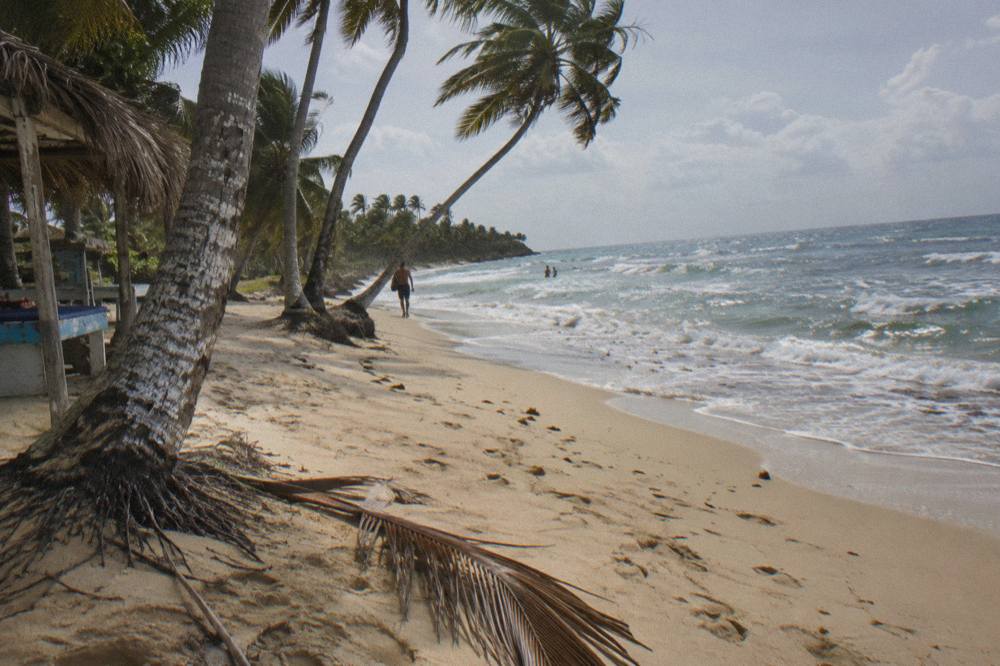
Bávaro beach is a long stretch of continuous sand shared by the resort strip, and swimmers enter calm water over a sandy bottom for most of the year. Sargassum has been the east coast's recurring problem, though the late October 2026 picture was clean, with major beaches including Bávaro, Los Corales and Cap Cana showing low sargassum and beach scores of 67 to 76 points on monitoring services. Resorts rake daily in season, and the seaweed arrives in pulses rather than continuously.
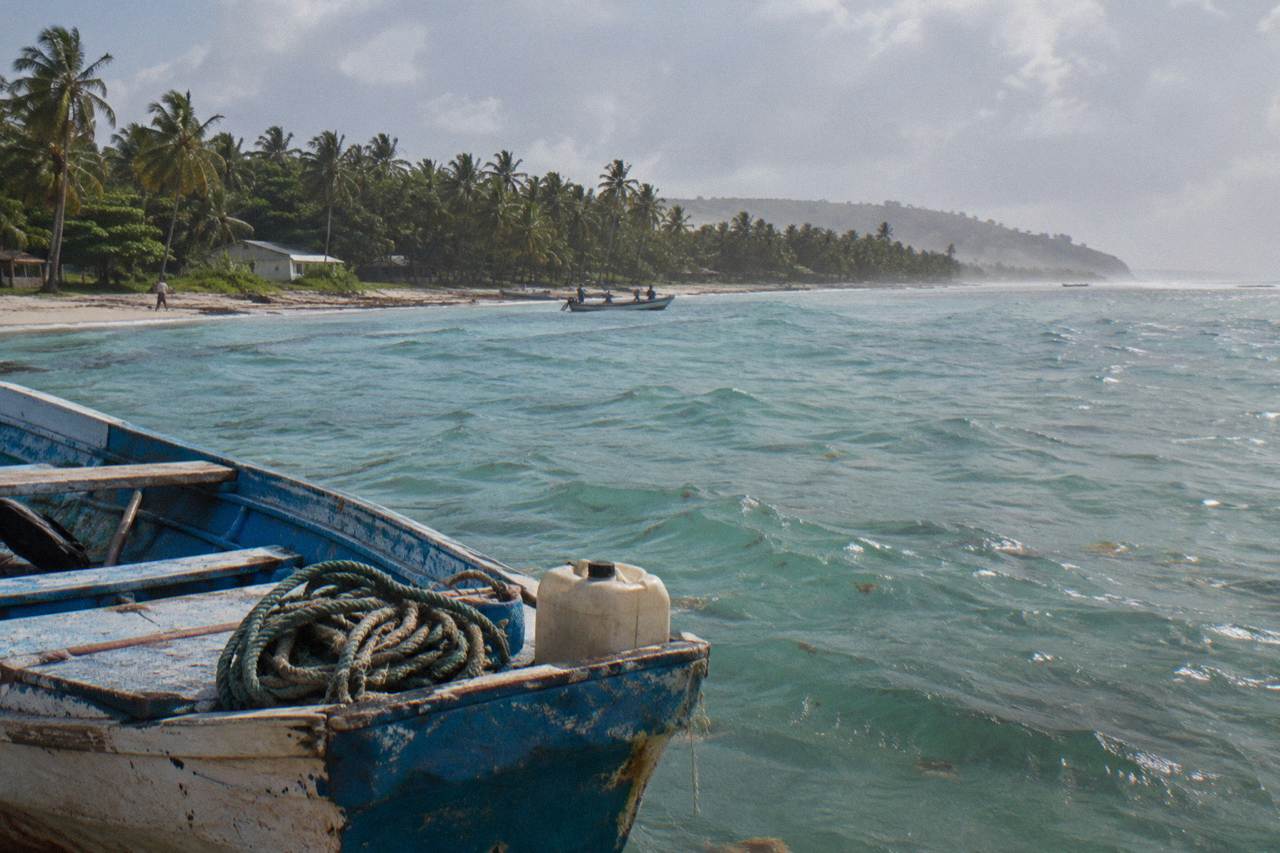
Samana's coast faces north and east into the Atlantic, so it is livelier water. Las Terrenas combines a long golden beach with beach clubs and town access, Playa Bonita is quieter and prettier, and Playa Rincon, on the Samana peninsula, is the peninsula's showpiece: a wide pale crescent with almost no development. Cayo Levantado, the small island in the bay also called Bacardi Island, is the classic boat day, with palm shade and clear shallows.
A fair summary: if you photograph beaches, Samana gives you more variety per kilometer. If you use beaches, swimming daily without logistics, Punta Cana is easier. Many visitors to the east coast compromise by adding a Saona day, since Saona's Canto de la Playa stretch delivers the postcard-white sand and turquoise shallows Samana cannot match, on a protected island inside Cotubanamá National Park. If Punta Cana's easy swimming wins you over, this guide to free things to do in Punta Cana shows how to fill the rest of your days without spending much.
For that compromise, group size matters. The standard Catamaran Boat to Saona Island with Buffet Lunch runs up to 50 people per departure, while the Small Group Saona Island Full Day Tour caps at 12 travelers from $165 per person and is rated 4.9 across 1,572 reviews. The Saona Island, Mano Juan and Canto de la Playa tour from $119 per person, rated 5.0 across 168 reviews, deliberately routes away from the crowded main beach. Samana's emptiness has an east-coast equivalent too; it just comes from a smaller group size rather than a longer drive.
Is Whale Watching Worth The Trip To Samana?
Whale watching is Samana's one unanswerable advantage: humpbacks calve in Samana Bay between mid-January and late March, and the 2026 season ran January 15 to March 30 under 46 ministry permits. Outside that window, the whale argument disappears and the comparison rests on beaches, waterfalls and pace.
The humpbacks travel from North Atlantic feeding grounds to the warm, shallow bay each winter to breed and give birth, and the Dominican Republic sees humpback whales gather in Samana Bay each season, commonly mid-January through late March. No whale-watching excursion appears on the Punta Cana roster, so the whales remain a seasonal sight rather than a bookable tour. Sightings are the norm rather than the exception in peak weeks, though no operator can promise a breach, and sea conditions in winter can be choppy.
If whales are your reason to compare the two destinations, plan around the calendar. A Samana whale day trip from Punta Cana typically runs 10 to 12 hours total, with pickups starting between 5:30 and 6:30 in the morning, a drive of roughly 3 to 3.5 hours each way, a boat excursion on the bay, lunch and the long return. Independent sources put typical adult pricing for such day trips at $130 to $200 per person including transport, lunch and the boat. Check the operator's booking page for the current season's dates and price, since whale trips run only while the permits and the animals allow.
The most recent season closed on March 30, 2026, and the next one opens in mid-January, as in past years. Travelers visiting between April and December should weigh Samana on its other merits, the waterfall, the beaches and Las Terrenas, rather than on whales. For season logistics and what a whale trip involves, the site's Samana whale watching from Punta Cana guide covers the year-to-year picture, while the Samana whale watching reporting adds operator detail and the Ministry of Environment's 2026 announcement covers the permits.
Punta Cana has no equivalent wildlife calendar. Its marine life offering is reef-based: snorkeling cruises such as the Small Group Snorkeling Cruise with Open Bar and Light Snacks, rated 4.9 across 1,657 reviews from $89 per person, and the Reef Explorer access with sharks and stingrays. These are good tours, but they are encounters, not a migration.
How Bad Is The Drive Between Them?
The drive from Punta Cana to Samana takes about 3 to 3.5 hours each way by highway, which makes a day trip a 10 to 12 hour commitment and pushes most travelers toward either an overnight in Samana or a different excursion entirely. The road itself is good, toll roads most of the way, but the arithmetic is unforgiving.
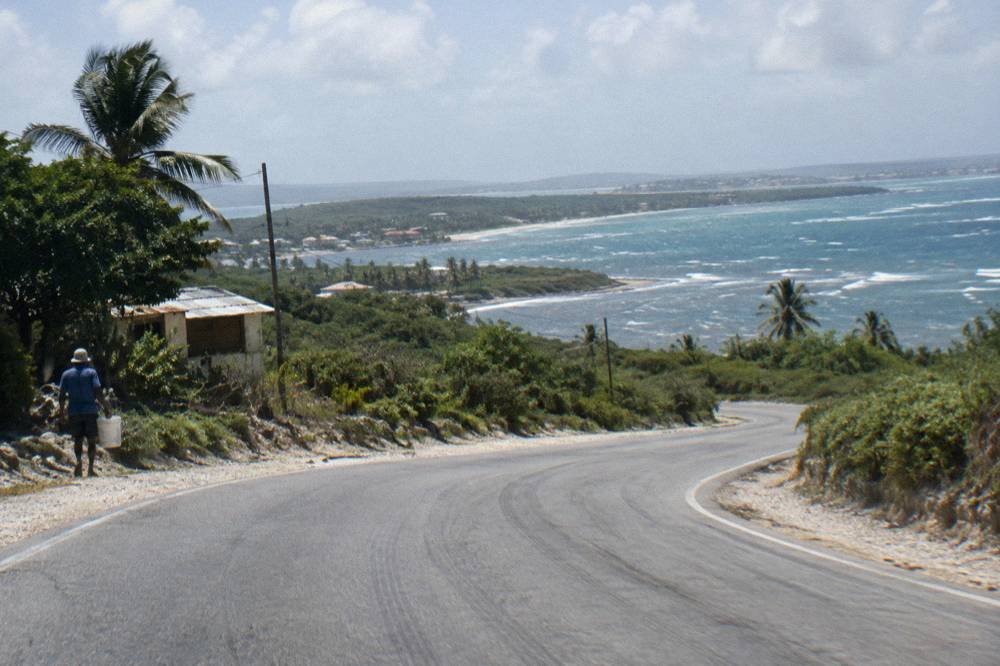
Two routes connect the east coast to the peninsula. The common one runs west on the Autopista del Coral toward Santo Domingo, then north on the Autopista del Nordeste, the Juan Pablo II highway, toward Samana town, a long drive that turns hilly and scenic near the end. Tolls apply on both highways. Traffic around Santo Domingo can add time, and the final stretch into Las Terrenas winds over a hill road that floods occasionally in heavy rain.
The practical question is what that drive does to your vacation math. A day trip spends roughly seven hours in a vehicle out of a 12 hour day. Travelers who have one free day in a week-long Punta Cana stay often decide those seven hours are better spent closer: Saona at 8 to 11 hours door to door, Santo Domingo at about 2.5 hours each way, or Altos de Chavón at 75 to 90 minutes each way. The Saona Island and Altos de Chavón day trip pairs the boat day with the recreated Mediterranean-style village above the Chavón river in one departure.
The alternative is the two-center stay: three or four nights in Samana, reached by the drive or by a domestic connection into El Catey airport, then the resort week in Punta Cana. This is the version of the trip where most visitors conclude Samana is genuinely nicer, because they see it unhurried: a morning at the waterfall, a long lunch in Las Terrenas, Playa Rincon on a weekday. Squeezed into a day trip, the same peninsula can feel like a commute.
What Does A Day In Each Place Cost?
A Punta Cana excursion day runs from $24 per person for a buggy ride to $170 per person for a Coco Bongo night, while a Samana day trip from Punta Cana typically lands between $130 and $200 per adult, reflecting the added drive and boat logistics. Punta Cana wins on price range; Samana's premium buys the distance.
The table below compares representative bookable days. Prices are per person unless marked per group, and every listing includes free cancellation, so holding a spot early costs nothing if plans shift.
| Day out | Base | Price | Duration | Rating |
|---|---|---|---|---|
| Booze Cruise with Snorkeling, Sand Bar and Transfers | Punta Cana | from $59 | 3 hours | 4.6 across 1,321 reviews |
| Catamaran Boat to Saona Island with Buffet Lunch | Punta Cana | from $71 | 8 hours | 4.4 across 4,780 reviews |
| Saona Island and Altos de Chavón Day Trip | Punta Cana | from $92 | 1 day | 4.4 across 346 reviews |
| Full-Day Santo Domingo City Tour | Punta Cana | from $95 | 10 hours | 4.8 across 5,427 reviews |
| Monkeyland and Plantation Safari Tour | Punta Cana | from $95 | 6 hours | 4.8 across 4,879 reviews |
| Small Group Saona Island Full Day Tour | Punta Cana | from $165 | 9 hours | 4.9 across 1,572 reviews |
| Samana whale watching day trip | Samana | typically $130 to $200 | 10 to 12 hours | varies by operator |
Two notes on reading that table. First, the Samana whale line is a market range from independent reporting rather than a single bookable listing, so confirm the exact price and season dates with the operator before committing. Second, group-size differences explain most of the spread: the $59 party boat carries up to 100 travelers, while the $165 Saona tour carries 12. On the east coast, price mostly buys crowd level, not a different destination.
For a culture day at Samana-adjacent prices, the Monkeyland and Plantation Safari Tour, rated 4.8 across 4,879 reviews, runs from $95 per person with lunch and drinks included and reaches the countryside the resort strip never shows you.
Which Suits Families, Couples And First-Time Visitors?
Families and first-time visitors are better served by Punta Cana's short transfers, daily departures and beach-adjacent logistics, while couples and repeat visitors lean toward Samana for scenery, dining in Las Terrenas and low crowds. The whale season narrows the choice: with children old enough for a boat, January to March favors Samana hard.
The family case for Punta Cana is concrete. Tours leave from hotel lobbies, durations sit in the 3 to 8 hour band, and group tours tolerate mixed ages. Buggy and ATV outings accept passengers from around age 3 or 4 with drivers at 18 and over holding a license, helmets are provided across ATV, zipline and horseback products, and the Full Day Excursion to Saona Island with All Inclusive caps at 30 travelers, a manageable number with kids in tow. Readers planning around children will find more detail in the site's family excursions guide.
Samana with children works best as an overnight or two. The waterfall ride on horseback suits school-age kids, Las Terrenas is walkable and forgiving, and the whale boats run in season; check the listing for age rules, though operators set their own minimums, so check the booking page. What Samana does not offer is the resort infrastructure that lets a parent hand off logistics entirely, which is precisely what many families are buying in Punta Cana.
Couples split along an activity line. Honeymoon-style weeks, pools, spa days and a catamaran cruise, belong to Punta Cana. Active couples, hiking, riding, whale season, long undeveloped beaches, consistently rate Samana higher in the "nicer" conversation. A useful compromise many travelers land on: base in Punta Cana, book the calmer boat options such as the Saona small-group and relax luxury catamaran, rated 4.9 across 625 reviews from $169 per person, and save Samana for a return trip in whale season.
When Is The Best Time To Visit Either?
Mid-January to late March is the only window where Samana clearly outranks Punta Cana, because the whales are present; outside it, Punta Cana's December-to-April high season with calm seas and reliable tour departures is the safer bet, while August to October carries hurricane-season risk on both coasts.
The east coast's weather year is warm throughout, with the December to April stretch as the dry, busy, expensive peak. May and June stay pleasant with lower prices. August through October is the heart of the Atlantic hurricane season, and while direct hits on Punta Cana are infrequent, boat tours cancel on sea state and sargassum peaks in the warmer months. The 2026 hurricane season had been below average, with ten named storms and one hurricane through late October, but that says nothing about the year ahead.
Samana shares that calendar with two twists. Winter is its super-season because of the whales, and it is also when the peninsula's north-facing beaches are most pleasant, since summer swell and sargassum push onto Atlantic-facing sand. Las Terrenas in September can be quiet, green and occasionally seaweed-streaked in equal measure.
Practical planning note for either coast: the Dominican E-Ticket entry form is free, official and mandatory for commercial flights, with separate forms for arrival and departure, and the $10 tourist card fee is included in most airfares. Details are in the site's Dominican Republic E-Ticket guide. Neither destination needs extra paperwork beyond that.
Can You Combine Both In One Trip?
Yes, and the combination is the honest answer for most travelers: base in Punta Cana for the resort week, then either add a two-night Samana stay across the middle of the trip or spend one long day there in whale season. Trying to see Samana properly as a rushed day trip outside whale season usually disappoints.
The two-center version is straightforward in one direction. Drive or transfer from PUJ to Samana at the start of the trip, spend two or three nights in Las Terrenas, then continue to the resort for the remainder. This ordering front-loads the travel and lets the vacation end in relaxation rather than in a 3.5 hour transfer on your final morning. The reverse order works too, but most travelers prefer landing into the easy logistics of Punta Cana first.
The single-day version only earns its 10 to 12 hours between mid-January and late March, when the whales justify the drive. Outside the season, an east-coast visitor chasing "the real Dominican Republic" gets more per hour from other products: the Santo Domingo city tour at about 2.5 hours each way, the Monkeyland and Plantation safari through the countryside, or the Altos de Chavón and river itinerary from $120 per person, rated 4.8 across a modest 30 reviews. On the question of east-coast boat days, the site's comparison of Saona Island versus Catalina covers the other island question visitors often pair with this one.
Budget a tipping layer onto either plan: full-day tour guides in the region are typically tipped $10 to $20 per person and boat crews $5 to $10 per person, in US dollars. Small bills matter more than amounts, since change on tours and in Samana's smaller towns is scarce.
Common Questions About Samana Versus Punta Cana
Is Samana Nicer Than Punta Cana?
It depends on what you value. Samana is greener, quieter and hosts humpback whales from mid-January to late March, while Punta Cana offers resort comfort, easier logistics and the country's deepest tour selection. Most travelers who call Samana nicer are seeking scenery and solitude; most who prefer Punta Cana are seeking convenience and choice.
How Far Is Samana From Punta Cana?
About 3 to 3.5 hours each way by highway, using toll roads through Santo Domingo or around it. A day trip combining both therefore runs 10 to 12 hours door to door, which is why many visitors split their stay instead.
When Can You See Whales In Samana?
The humpback season in Samana Bay runs from mid-January to late March; the 2026 season ran January 15 to March 30 under 46 Ministry of Environment permits. Outside this window there is no whale watching, so plan the rest of the year around beaches, waterfalls and Las Terrenas.
Is A Day Trip To Samana From Punta Cana Worth It?
In whale season, yes, the boat excursion justifies the long day for most visitors. Outside whale season the same 10 to 12 hours buys more closer to Punta Cana, such as Saona Island, Altos de Chavón or a Santo Domingo city day at about 2.5 hours each way.
Which Has Better Beaches, Samana Or Punta Cana?
Punta Cana's Bávaro and Cap Cana stretches are long, white and hotel-served with calm reef-protected water, while Samana offers more variety and emptiness, especially Playa Rincon and Las Terrenas. For daily swimming convenience Punta Cana wins; for dramatic, uncrowded scenery Samana does.
Is Samana More Expensive Than Punta Cana?
Excursions in Punta Cana run from about $59 to $165 per person, while Samana day trips from Punta Cana typically cost $130 to $200 per adult because of the added drive and boat logistics. Staying in Samana itself can be cheaper than Punta Cana's resort strip, since accommodation outside the all-inclusive system starts lower.