What Food To Stay Away From In Punta Cana?
A plain-English guide to the foods, drinks and buffet habits most likely to spoil a Punta Cana trip, and what tour lunches actually cover.
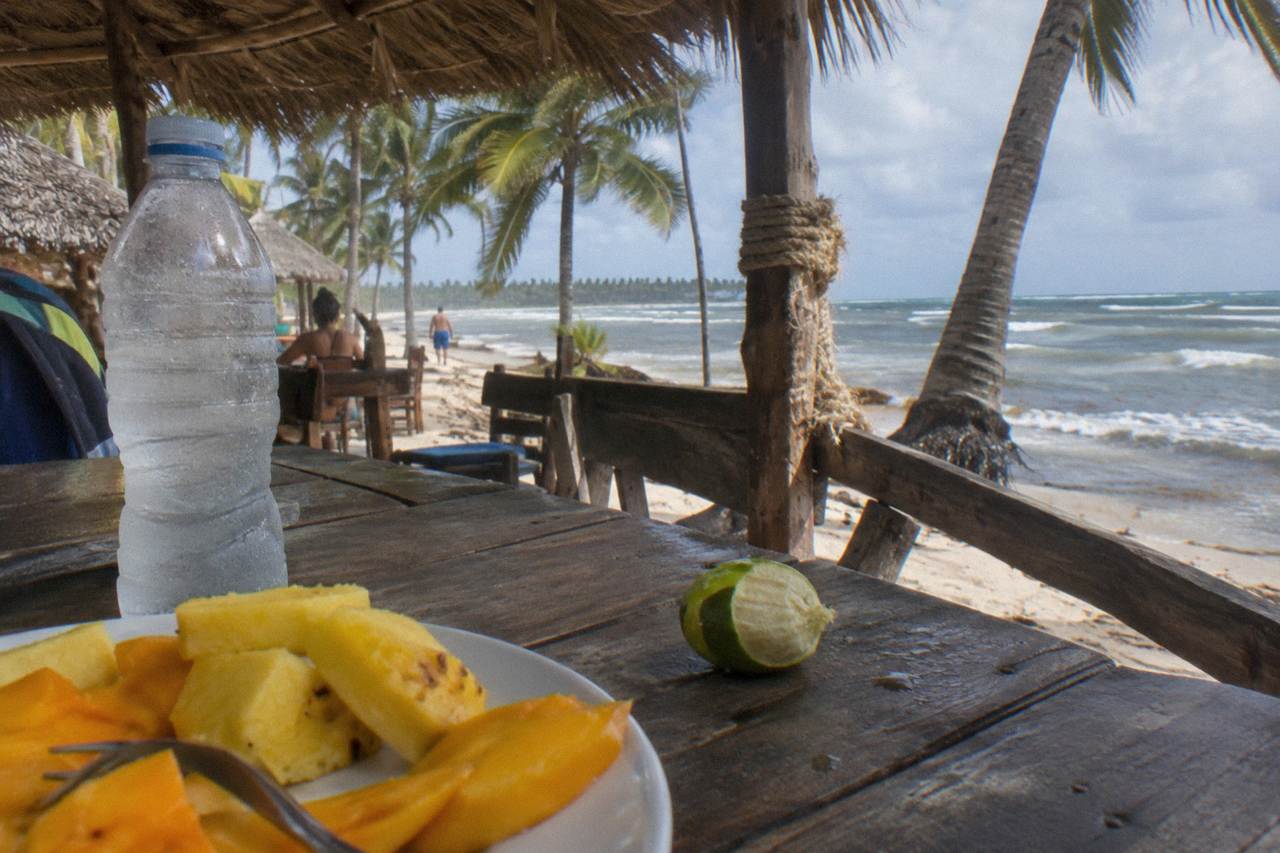
Punta Cana runs on all-inclusive resorts, beach grills and long boat excursions, and almost all of it is cooked fresh and served hot, which is why the vast majority of visitors eat their way through a week without a single problem. The trouble spots are predictable: unbottled water, food that has sat at outdoor temperature, raw shellfish, and unrefrigerated cream and dairy. Resorts filter their own water and ice, and the established tour operators cook buffet lunches on the day they serve them. The Catamaran Boat to Saona Island with Buffet Lunch, from $71 per person and rated 4.4 across 4,780 reviews, is a good example of the standard: a cooked island buffet with drinks included, not street food reheated on a boat.
The short list of things to decline is small and specific: tap water and anything mixed with it, ice outside resorts and licensed restaurants, raw or undercooked shellfish, unpasteurized dairy and cream desserts left out, salads and cut fruit washed in unknown water, and food from unlicensed beach vendors that has sat in the sun for hours. Everything else, hot grilled fish, fresh pineapple at breakfast, the buffet line at peak service, is generally fine. The pattern behind nearly every ruined stomach is temperature and water source, not any particular Dominican dish. Food that is cooked hot, served hot, and eaten promptly is safe almost anywhere on the east coast.
Start with water, because it is the one that catches people quietly. Resorts in the Bávaro and Cap Cana hotel zones treat their own supply, and their ice is made from filtered water, so the glass at the swim-up bar is not the risk. The risk is tap water outside the resort system: rinsed lettuce at a small roadside kitchen, ice from a cooler at an unlicensed beach stand, or brushing your teeth with bathroom tap water in a small guesthouse. Bottled water is cheap and everywhere, and US dollars are widely accepted alongside the local peso, so a large bottle costs very little in dollar terms. Use sealed bottles for drinking and teeth, and most of the water risk disappears in one decision.
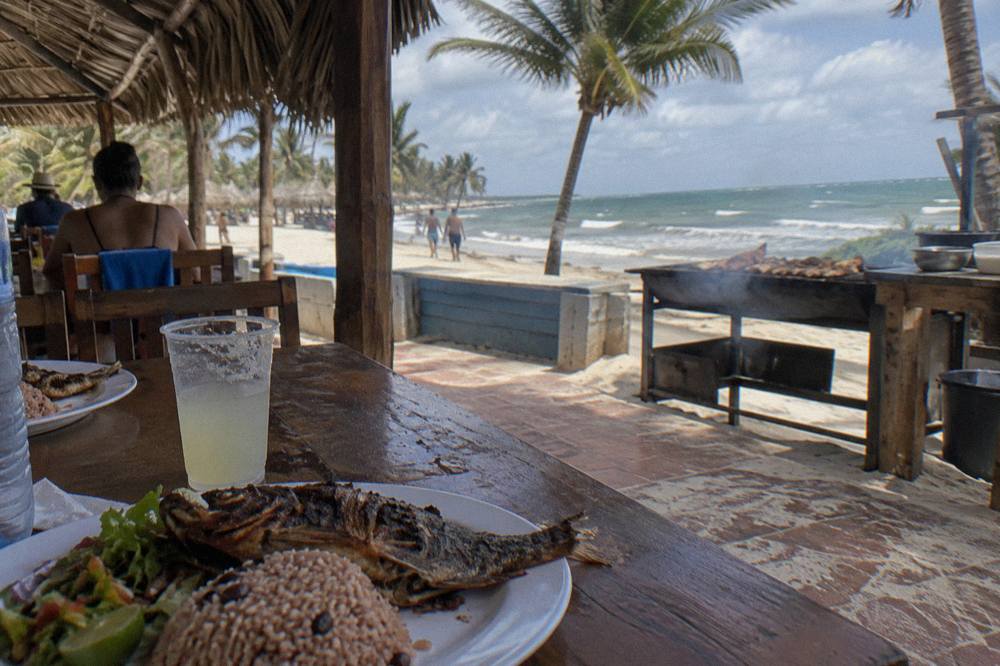
Then comes temperature, the quiet one people blame on "foreign food" when it is really just time. Buffet lines are safe at peak service, when pans are refilled hot and turned over fast. They get risky in the last half hour before closing, when the same pans have sat lukewarm. The same logic applies on the beach: a fried fish plate made to order behind a beach grill is a different product from a tray of empanadas that has been riding around in the sun since mid-morning. Dairy desserts and cream sauces are the worst offenders once they leave refrigeration, and mayonnaise-based salads like potato or pasta salad go off faster than almost anything else at a beach BBQ. If a dish looks glossy, warm and tired, skip it; there is always a fresher option an hour later.
Raw shellfish deserves its own line. Oysters and raw clams are filter feeders, and they concentrate whatever is in the water around them, so raw bivalves are the shellfish to skip in Punta Cana, since raw oysters and clams can harbor bacteria and viruses that cooking destroys. Cooked conch, grilled lobster, fried fish and shrimp in a hot garlic sauce are all fine and all over the menus in Punta Cana. The rule is simple: shellfish yes when cooked, no when raw. That one swap removes most of the genuinely severe outcomes, the ones that cost more than an afternoon, from the table.
Because most tours include either lunch or drinks, what you book shapes what you eat more than you might expect.
Which Street And Beach Foods Are Worth The Risk?
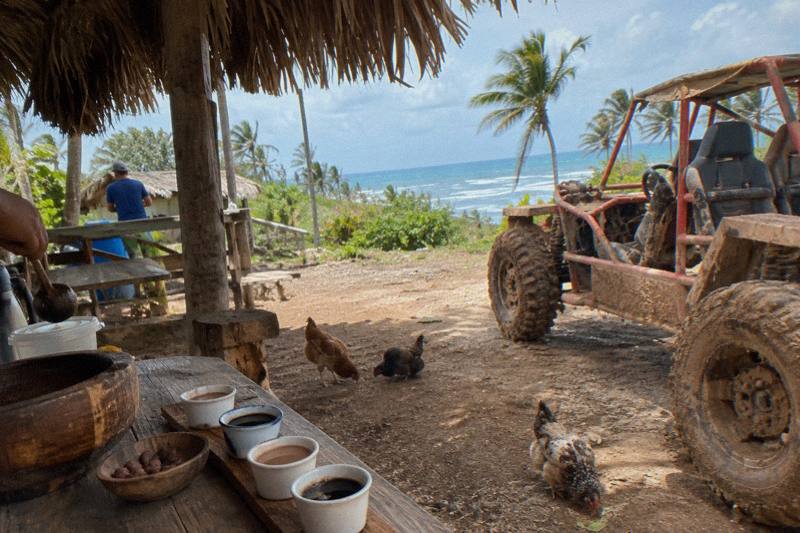
Freshly cooked, made-to-order street food is generally a reasonable risk in Punta Cana: empanadas straight from the fryer, grilled skewers off a hot grate, and fruit you peel yourself are all fine, while anything pre-cooked, sitting in a tray, or held at ambient temperature is what to walk past. The deciding question is whether you watched it cook. A chinola juice blended in front of you with ice from a filtered machine at a licensed juice bar is a different category from a jug of juice of unknown age on an unlicensed table. Vendors outside the established beach clubs are not inspected the way resort kitchens are, so apply the heat test and the crowd test, busy stalls with fast turnover serve fresher food than empty ones.
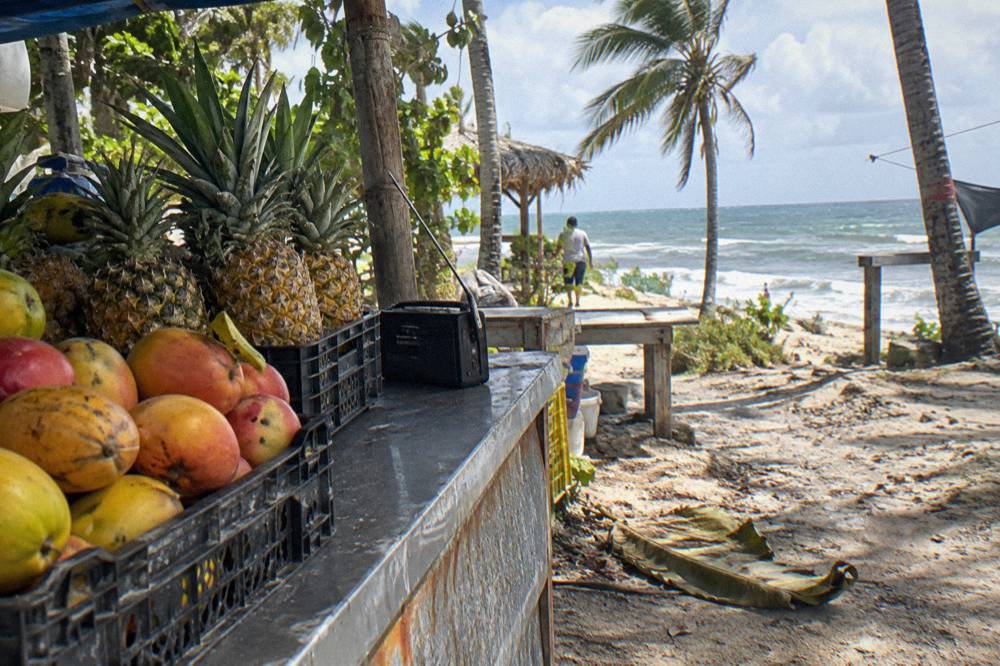
Fruit is a good place to practice the peeling rule. Bananas, oranges, pineapples and mangoes have thick skins that protect the flesh, so a whole fruit you peel yourself is one of the safest snacks on the island. Pre-cut fruit trays are the opposite: the fruit was cut with a knife, on a board, possibly rinsed in water you would not drink, and then stored at whatever temperature the stall happens to be. At your resort's breakfast buffet the cut melon is fine, because the kitchen operates under resort filtration and health standards. At a roadside stop, take the whole mango and skip the tray.
Meat is another where method decides. Dominican grills, pollo tíbere spots and chicharrón stands cook over open flame at high heat and serve immediately, and that combination is inherently safer than a hotel-lobby sandwich that has been in a display case all afternoon. The locals eating at a busy lunch counter are, in effect, a live review of the kitchen's turnover. Empty street kitchens at odd hours are not hiding a secret masterpiece; they are serving food cooked at an unknown time. If you want the authentic plate, go where the authentic crowd is, at the standard lunch hour.
One more category to treat with respect: reheated rice and pasta. Rice that has been cooked, cooled slowly and reheated is a classic cause of vomiting illnesses in hot climates, and it shows up in buffet chafing dishes and beach lunch trays alike. Hot-from-the-wok fried rice at a busy stall is fine; the pan at the end of a long buffet service is where the risk accumulates. The same goes for hotel-room leftovers carried back from a buffet and eaten hours later without refrigeration, a habit that turns a perfectly safe meal into an unsafe one through storage alone.
Is The Tap Water Safe To Drink In Punta Cana?
No, tap water in Punta Cana should not be drunk straight outside the resort systems that filter it, and the standard advice is bottled or filtered water for drinking, ice cubes at licensed venues only, and sealed bottles for brushing teeth. Resort taps in the big hotel zones are filtered and their ice is machine-made from filtered water, which is why the resort bar rarely causes trouble. The caution zone is guesthouses, small restaurants, beach stands and any ice of unknown origin. The same care applies to ice, fresh juice, and raw produce rinsed in tap water: when in doubt, choose it peeled, cooked, or bottled.
The practical version costs almost nothing. Large sealed bottles of water are sold at every colmado and hotel shop, most resorts leave two bottles in the room daily, and tour operators hand out bottled water on transfers, buses and boats as a matter of course. Nearly every boat tour lists drinks or an open bar among its inclusions, from the party boats to the small-group snorkeling catamarans. If a tour does not list drinks, the booking page will say so, and you can carry your own.
Alcohol is often people's blind spot in the other direction, and the concern here is not contamination but simply volume in tropical heat. Rum, Presidente beer and cocktails flow on boats and at pool bars, and dehydration plus sun plus steady drinks is the most common reason someone feels "food poisoning" symptoms at 4 p.m. that are really heat exhaustion. Alternate a water with every cocktail, eat the lunch provided, and most mystery illnesses on excursion days vanish. The open-bar party format is built around exactly this rhythm, and crews manage it well.
Speaking of bars and crews: tipping norms matter when the service is good. Half-day tours and boat crews are usually tipped 5 to 10 dollars per person, often pooled, and small US bills are preferred. The tipping etiquette for Punta Cana question gets its own treatment elsewhere, but on food and drink specifically: a dollar a round for bartenders is the working norm, and it keeps the water refills coming too.
What Do Tour Lunches Actually Cover?
Tour lunches vary sharply by trip type: full-day island excursions almost always include a cooked buffet lunch with drinks, half-day boats usually run on snacks and open bar only, and buggy or ATV rides often include no food at all, so the booking page's meal line is the single detail to check before you count on being fed. The Saona trips are the food-heavy ones: the Catamaran Boat to Saona Island with Buffet Lunch, about 8 hours, from $71 per person, includes a full buffet meal and drinks, and it is rated 4.4 across 4,780 reviews. The cheaper end of the Saona range also feeds you, from $66 per person on the Catamaran to Saona Island with Food & Open Bar.
| Tour | Duration | Price basis | Meal | Drinks |
|---|---|---|---|---|
| Catamaran Boat to Saona Island with Buffet Lunch | 8 hours | from $71 per person | Buffet lunch included | Included |
| Saona Island Day Trip with Lunch and Open Bar | 9 hours | from $82 per person | Lunch included | Open bar |
| Party Boat with Snorkeling, Open Bar and Hip Hop | 3.5 hours | from $65 per person | No meal | Open bar |
| Small Group Snorkeling Cruise with Open Bar and Light Snacks | 3 hours 30 minutes | from $89 per person | No meal, light snacks | Open bar |
| ATV Adventure to Water Cave and Macao Beach | 4 hours | from $45 per person | No meal | Not included |
The pattern in that table is worth internalizing, because it decides your whole day's food safety with one booking. A full-day Saona or Catalina trip moves lunch off your plate entirely: the operator cooks a buffet on the island or serves it from a set menu, the food is cooked that day for that group, and drinks come from sealed bottles behind the beach bar. You are not choosing among mystery trays; you are eating what several hundred other guests are eating the same hour. That is the safest food environment in the region, and it is the reason worried eaters do well on island days.
The half-day party boats are the opposite arrangement: food is not part of the product, and energy comes from drinks and whatever you eat beforehand. The Punta Cana Party Boat with Snorkeling, Open Bar and Hip Hop runs 3.5 hours from $65 per person, rated 4.8 across 784 reviews, with a live DJ and an open bar and no meal, so a real breakfast is the difference between a great afternoon and a wobbly one.
Land adventures sit in a third category. Buggy and ATV tours, like the ATV Adventure to Water Cave and Macao Beach from $45 per person, include neither meal nor drinks unless the booking page says otherwise, and they run through dust and mud for four hours. Eat properly before pickup, carry water, and plan a late lunch. Combination days change the math again: the Adventure Bundle with Monkeyland, Ziplines and Buggies is priced from $209 per group for a party of up to four and includes meal and drinks, effectively a full catering operation across a 9 hour 30 minute day. When food is the worry, let the meal flag on the booking page drive the choice, and pack backup snacks for anything that shows no meal.
If you are still choosing a lunch-included day, this is a natural moment to lock one in, and free cancellation is listed on these tours, so the booking is not a trap if plans shift.
What Should You Watch For At Buffets And Hotel Restaurants?
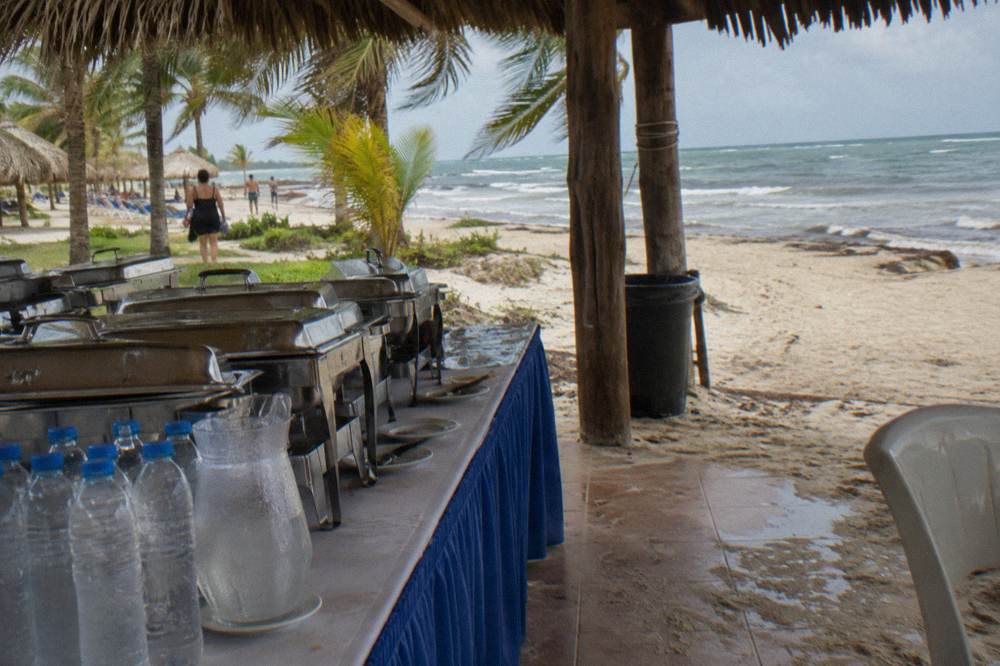
At any buffet, resort or boat, go at peak service, take from deep hot pans, favor dishes you can see being refilled, and skip lukewarm dairy, reheated rice, and anything with a skin on the sauce; at a la carte restaurants, order fish that is cooked through and skip the raw preparations. Buffets are a volume business, and volume done fast is safe. The 7:30 p.m. rush at a resort main restaurant turns over pans every few minutes. The 9:45 p.m. tail is serving food that has been on the line for two hours in Caribbean warmth. The same clock logic applies at a Saona beach buffet: the first service at midday is the fresh one.
Resort kitchens in the big chains are generally a safer bet than street stalls, but no kitchen is risk-free: order food hot, eat it hot, and skip anything that has sat out, so the resort buffet is genuinely one of the safer places you will ever eat. The mistakes happen at the edges: the dessert station where the flan has been out since lunch, the salad bar rinsed in the same filtered water but handled by a hundred hands, the omelet station at low traffic. Choose stations where someone is actively cooking in front of you and you are choosing the freshest food in the building. If a day trip to Santo Domingo is on your itinerary, the same rules apply to its included lunch stop, part of the package rather than an optional extra.
A word on alcohol safety at hotel bars, because it gets asked often: concerns about adulterated alcohol have mainly involved unlicensed sellers, so buy drinks from resort bars, tour boats and other established, licensed venues rather than informal sources. The realistic risk at a licensed bar is overpouring, not poisoning. Pace yourself, eat the food you paid for, and keep water in rotation. Anyone wanting the deeper packing and preparation checklist can read what to bring on a Punta Cana excursion, which covers rehydration salts and stomach remedies alongside the sunscreen.
What Should You Do If Something Goes Wrong Anyway?
If illness hits, the first moves are oral rehydration, plain foods, and rest, and you should escalate to a doctor or clinic for blood in stool, high fever, signs of dehydration, or symptoms lasting beyond two to three days; most resort-front desks can arrange a clinic visit quickly, and travel insurance typically covers it. Pharmacies (farmacias) are common in Bávaro and Punta Cana, open long hours, and pharmacists dispense rehydration salts and basic remedies over the counter. Pack a small kit before you travel: oral rehydration salts, loperamide for the flight home, antacids, and motion-sickness tablets for boat days.
Know the difference between the two usual suspects. A short, sudden upset within a few hours of eating is often a toxin-type illness from food held at the wrong temperature, and it usually passes in a day with fluids. A slower, crampier illness that grows worse over days can be an infection that needs a doctor, not patience. Travellers' diarrhea that resolves in 24 hours is a story; anything with fever, blood or real dehydration is a clinic visit, and If you feel unwell after eating, your hotel front desk can point you to medical care. Keep hydration as the priority either way, in the tropical heat a mild illness becomes a moderate one fast without fluids.
Prevention, honestly, is mostly booked in advance rather than improvised. A trip like the Small Group Snorkeling Cruise with Open Bar and Light Snacks, 3 hours 30 minutes from $89 per person and rated 4.9 across 1,657 reviews, hands you controlled food and sealed drinks for the whole morning, which removes the beach-stand lottery from the equation. The Punta Cana Travel Tours catalog exists for exactly that reason: a planned excursion with listed meal and drink inclusions replaces guesswork with a menu you can read before you commit.
The final precaution costs nothing: check the official E-Ticket entry form requirements on the Dominican migration authority's E-Ticket site before you fly, since the form is free and official, and confirm your tours' meal inclusions on each booking page. Operators set menus by the day, and the listing is the authority on what arrives on your plate. Scape Park's official rules page is a good model of the kind of operator page worth reading before a park day, covering everything from weight limits to rules on drones and camera equipment.
Common Questions About Punta Cana Food Safety
What Food To Stay Away From In Punta Cana?
Decline tap water and unknown ice, raw shellfish, unpasteurized dairy and cream desserts held at room temperature, pre-cut fruit washed in unknown water, and pre-cooked food sitting in trays at beach stands. Food cooked hot in front of you, fruit you peel yourself, and resort buffets at peak service are generally fine.
Can You Drink The Water At Punta Cana Resorts?
Resort taps in the major hotel zones are filtered and their ice is made from filtered water, so bar drinks and restaurant water service are considered safe. Outside the resort system, drink sealed bottled water only, and use bottled water for brushing teeth in guesthouses.
Is It Safe To Eat Salads And Fresh Fruit In Punta Cana?
At resorts, yes: kitchens wash produce in filtered water under brand standards. At small roadside or beach kitchens, favor fruit you peel yourself and skip salads and pre-cut fruit trays, since the rinse water and holding temperature are unknown.
Do Punta Cana Tours Include Safe Food And Drinks?
Full-day island trips include a cooked buffet or set-menu lunch with drinks, listed on the booking page. Half-day boats typically include drinks and snacks with no meal, and buggy or ATV tours often include neither. Check the meal and drink lines on each booking page before you count on being fed.
Should I Bring Stomach Medicine To Punta Cana?
Yes, a small kit of oral rehydration salts, loperamide, antacids and motion-sickness tablets covers most situations. Pharmacies are common in the hotel zones and carry these items, but having your own avoids a search at midnight.
When Should I See A Doctor For Stomach Illness In Punta Cana?
Escalate for high fever, blood in stool, signs of dehydration, or symptoms lasting beyond two to three days. Resort front desks arrange clinic visits quickly, and private clinics in the area cater to travellers with English-speaking staff.