What To Stay Away From In Punta Cana?
Reporting on the scams, unlicensed vendors, water and sea conditions to avoid in Punta Cana, and how booked tours with hotel pickup sidestep the common traps.
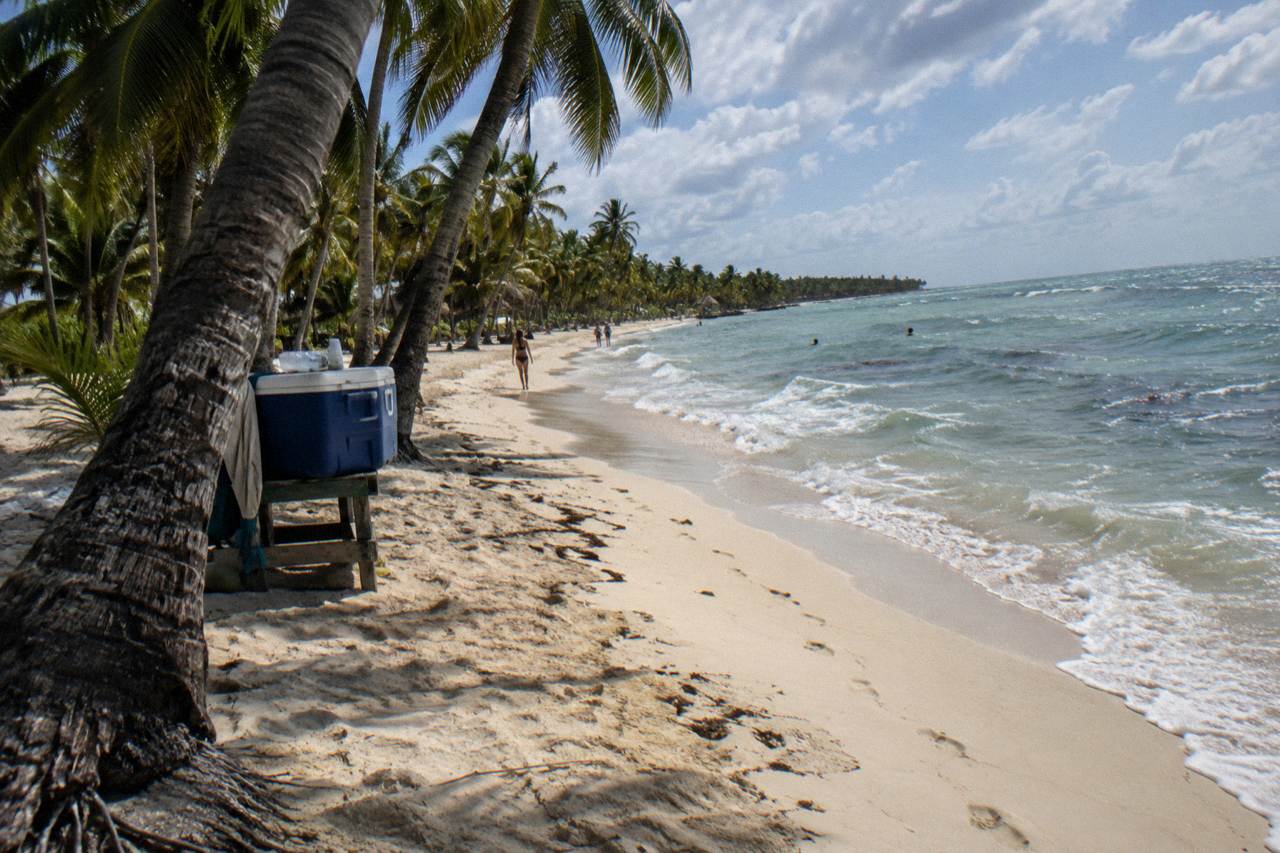
Punta Cana gets more than its share of repeat visitors, and most trips end without incident. The problems that do surface cluster in a few predictable places: the beach kiosks selling cut-price excursions, the timeshare desks inside and outside the airport, tap water poured from an unknown source, and swims taken where no lifeguard or flag system is watching. None of these are exotic risks. They are the same ones that show up in most Caribbean resort zones, and each has a boring, effective workaround.
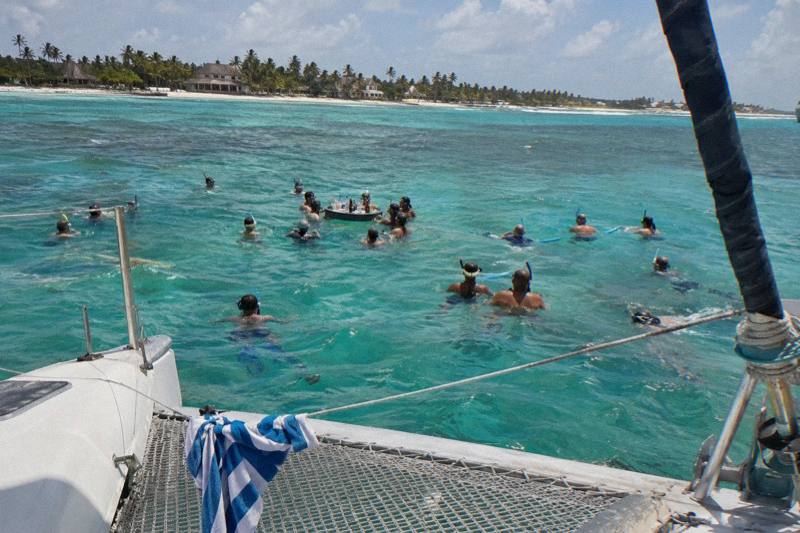
This article walks through the traps that local and international reporting flagged during 2026, in plain terms, and then explains the part that surprises many first-time visitors: nearly all of them shrink the moment your day is structured around a booked tour with hotel pickup. When a licensed operator collects you at your resort lobby, drives you to the pier, feeds you and brings you back, the unlicensed vendor, the fake ticket and the mystery sandwich largely drop out of your day. The Saona Island catamaran with buffet lunch, the small-group snorkeling catamarans and the big combined adventure days all work this way, and they are the reason a "what to avoid" question ends with a booking decision more often than people expect.
The short list of things to stay away from in Punta Cana is: unlicensed excursion and timeshare sellers, tap water and unwashed produce, swimming outside flagged zones, touching wildlife such as starfish in the natural pools, and "free" prizes such as scratch cards handed out on the street. Tap water is not for drinking anywhere in the area; stick to bottled or filtered water, which resorts and tour operators serve. The excursion sellers are best handled by booking in advance from your phone, at your resort desk, or through an operator's own page, rather than buying from a person on the sand.
None of this means Punta Cana is a difficult place. The US State Department rates the Dominican Republic at Level 2, "Exercise Increased Caution," which is the same band applied to many popular tourist countries, and its guidance notes that tourist areas are generally safer than the cities. Tourist areas are generally safer than other parts of the country. What travelers actually lose money to here is small-scale: inflated prices, worthless tickets, and timeshare contracts signed in a happy hour haze.
The structure of the advice matters. Risks split into three buckets: money traps (scams and unlicensed vendors), health traps (water, ice, food) and physical traps (sea conditions, sargassum, sun). Handled in that order, each one has a cheap fix. The sections below take them one at a time, with the seasons and weather factored in, since a warning about sea conditions in August reads very differently from one in late October.
A good starting point is the full safety picture in is Punta Cana safe, which covers the country-level advisory in more detail. For now, the practical version: book your days before you fly, drink sealed or filtered water, and keep your swimming inside the zones your hotel or tour operator marks.
Which Street Scams And Vendor Tricks Show Up Most?
The four to watch for are the scratch-card or "free prize" pitch, the discounted excursion sold from a kiosk or the beach, the timeshare or vacation-club presentation dressed as an airport greeting or a hotel upgrade, and unofficial taxi fares quoted without a meter or agreed price. The scratch card is always a route into a timeshare desk. The beach excursion can be a legitimate local business or a reseller with no operator behind it, and you cannot tell from the laminated card. The fix for all four is the same: buy nothing from anyone who approached you first, and arrange excursions and transfers yourself in advance.
That last point deserves emphasis because it is the cheapest insurance in this article. Pre-booked drivers at Punta Cana airport meet passengers inside arrivals with a name sign, track flights as standard practice, and charge no extra fee for waiting when a flight is delayed, per current transfer-operator guidance. Private one-way transfers start around $29 per vehicle to Cap Cana and $35 to Bávaro for up to six passengers. The people shouting "taxi" at the arrivals door are not that arrangement, and the difference is exactly the kind of trap this article exists to name.
| Trap | Where it appears | What it costs you | The workaround |
|---|---|---|---|
| Scratch card or "free prize" | Streets, beach walks, some lobby approaches | A big chunk of your day at a sales desk | Say no and keep walking; nothing is free |
| Discounted excursion kiosk | Beach stalls, souvenir shops, street desks | Payment for a trip with no operator behind it | Book direct or via an operator's page, with free cancellation |
| Timeshare presentation | Airport greeting desks, "hotel upgrade" invites | A deposit and a binding contract | Decline anything framed as a prize or invitation |
| Unofficial taxi | Airport arrivals, late-night hotel exits | Two to three times the fair fare | Pre-book a transfer or agree the price before getting in |
None of the traps in that table require paranoia, only a default. Vendors in Punta Cana are, in the main, working people selling souvenirs, coconuts and braids honestly, and a polite "no, gracias" ends nearly every pitch without friction. The trouble is concentrated in the resale layer, the people selling you something they did not create and will not deliver, and that layer is easiest to avoid entirely by booking ahead. If a question about an operator's license matters to you, ask it before paying: a real operator can say who runs the boat or the buggies, where it departs, and what happens if the weather turns.
The same logic covers the biggest-ticket item most visitors buy, the boat day. A Saona crossing involves a national park, a licensed pier departure from the Bayahibe and Dominicus area, a captain and a crew, lunch for dozens and a road transfer each way. That is not a product a beach kiosk can stand behind. When the day is booked, the Catamaran Boat to Saona Island with Buffet Lunch at from $71 per person, rated 4.4 across 4,780 reviews, with hotel pickup listed and free cancellation, the street seller's discount stops being tempting, because the risk has already been removed from the transaction.
Is The Tap Water Safe To Drink In Punta Cana?
No, tap water in Punta Cana and Bávaro is not considered safe to drink, and the standard advice is bottled or filtered water for drinking and brushing teeth, ice only at resorts and licensed tour operations, and caution with raw washed produce from unknown kitchens. Large resorts run their own filtration and their ice and salad bars are generally fine; the risk sits with small street kitchens, unsealed ice in drinks at informal spots, and tap water in private accommodations. This is the single most common cause of spoiled days in the area, and the easiest to prevent.
The illness people blame on "the food" is usually the water it was washed in, and it behaves like illness anywhere: a day or two of discomfort, not a trip-ender for most healthy adults. The prevention list is short. Drink sealed bottled water or filtered water from your resort. Brush teeth with bottled water in private stays. At resorts and on booked tours, the ice is machine-made from filtered supply and is fine; the catamarans and Saona day trips serve open-bar drinks over exactly that kind of ice. Street food is not automatically a hazard, but pick stalls cooking fresh food at high heat over raw items that sat in water.
Booked tours solve the water question as a side effect of their format. Every major day trip on the water includes drinks as part of the ticket: the Saona day trip with lunch and open bar at from $82 per person includes them, as does the small-group Saona full day at from $165 per person and the catamaran to Saona with food and open bar at from $66 per person. On land, the combined adventure days such as the zipline, buggy and horseback package at from $100 per person list a meal and drinks included, which removes the search for a safe lunch in an unfamiliar town mid-itinerary. The general packing logic is in what to bring on a Punta Cana excursion, including the rehydration salts worth tucking beside the sunscreen.
One related caution: sun and alcohol together do more damage than water ever does. A full day on a boat in Caribbean sun, with an open bar and no shade plan, produces more sick afternoons than any ice cube. Hats, alternating water with anything stronger, and actual lunch, which the buffet-lunch Saona format builds in, are the working defense.
Which Beaches And Sea Conditions Need Care?
The sea risks that matter are swimming outside flagged or lifeguarded zones, rip currents on Atlantic-facing beaches, touching or standing on marine life in the natural pools, and sargassum buildup on shore, which varies by season and beach rather than by luck. Uvero Alto faces the open Atlantic, while Bávaro's reef keeps its swimming water calm; the calmest swims are inside protected areas such as the natural pool sandbar visited on Saona trips and the sheltered reef snorkel stops. As for sargassum, the late-October outlooks showed clean, low-seaweed conditions across the main hotel beaches, the quiet stretch of the year after the summer peak.
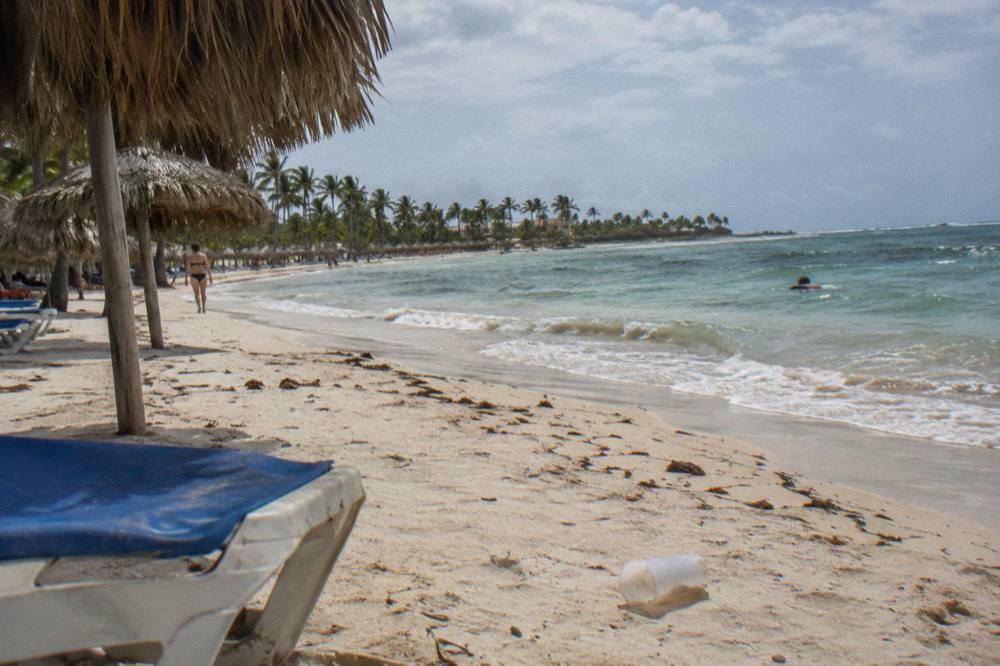
Sargassum is the risk that changed most in recent years, and it is worth understanding rather than fearing. The seaweed arrives in pulses driven by ocean conditions, lands mostly between spring and late summer, and is cleared constantly by hotel crews on the managed beaches. Independent forecast services publish satellite-based beach-by-beach outlooks, and a week of low risk is usually a reliable week for snorkeling; the current forecast lives at the Sargassum Punta Cana forecast page. The seasonality matters for planning: a December to April visitor and an August visitor meet very different beaches.
The wildlife rule is simple and genuinely enforced in the national park context. Saona and Catalina sit inside Parque Nacional Cotubanama, run by the Ministry of Environment, and the rules prohibit removing starfish, shells, coral or sand. The natural pool stop, a waist-deep sandbar with starfish in the sand, is a standard 30 to 45 minute pause on Saona trips, and the instruction from crews is consistent: look, do not touch, and never lift a starfish out of the water for a photo. A booked tour briefs you on this; an independent wanderer learns it from a park ranger or not at all.
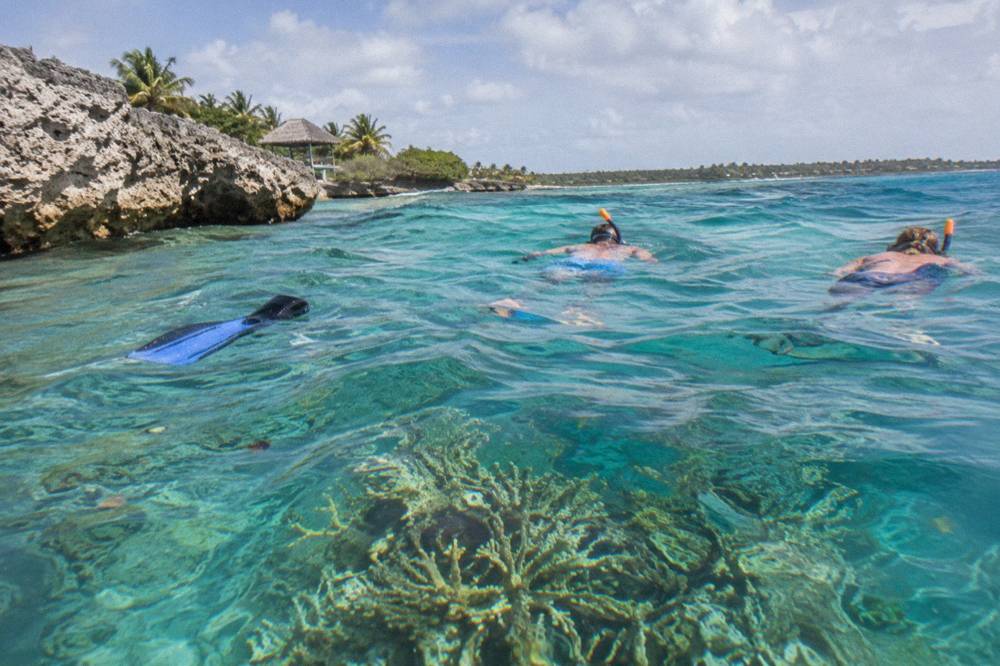
For snorkelers, the reef stops used by the small-group catamarans are chosen precisely because they are supervised, shallow and sheltered. The Small-Group Cruising and Snorkeling Catamaran Tour runs 3 hours 30 minutes from $99 per person, rated 4.9 across 2,659 reviews, capped at 16 travellers, with hotel pickup listed and free cancellation. A crew-counted, flagged-stop snorkel in a group of sixteen is about as low-risk as Caribbean swimming gets, which is the whole point: the conditions are the same as anywhere, the supervision is not.
How Do Booked Tours Sidestep These Problems?
Booked tours with hotel pickup remove the scam layer, the water question and the unsupervised swim in one transaction: a licensed operator collects you, drives you, feeds you from a known kitchen, runs the swim stops under a crew, and returns you, typically with free cancellation attached. The street risks named earlier, the kiosk ticket, the fake prize, the unlicensed vendor, all require you to be standing somewhere making an unplanned purchase. A booked day moves that decision to your phone before you travel, from an operator whose rating and review count you can read.
The mechanics are worth spelling out because they explain why the price of a booked tour is not just admission to a beach. A Saona day from Punta Cana means hotel pickup in the 6:30 to 8:00 a.m. window, a road transfer of roughly 60 to 90 minutes to the Bayahibe and Dominicus pier area, a boat crossing of usually 20 to 60 minutes by speedboat or 1 to 2 hours by catamaran depending on the vessel and sea, a natural pool stop, beach time and lunch on the island, and a return by mid-to-late afternoon, 8 to 11 hours door to door. Every link in that chain, the driver, the pier, the captain, the lunch, the bar, the return, is someone's responsibility, with a booking record behind it.
| Day trip | Price basis | Rating and reviews | Group cap | What it removes from your risk list |
|---|---|---|---|---|
| Catamaran Boat to Saona Island with Buffet Lunch | From $71 per person | 4.4 across 4,780 reviews | Up to 50 people | Transport, lunch, drinks, park logistics |
| Saona Island Day Trip with Lunch and Open Bar | From $82 per person | 4.3 across 3,350 reviews | Max 300 travellers | Same, in a larger convoy format |
| Small Group: Saona Island Full Day Tour | From $165 per person | 4.9 across 1,572 reviews | Max 12 travellers | Same, without crowd exposure |
| Small-Group Cruising and Snorkeling Catamaran Tour | From $99 per person | 4.9 across 2,659 reviews | Max 16 travellers | Unsupervised swimming, water and bar questions |
| Zipline Adventure with Buggies and Horseback Riding | From $100 per person | 4.9 across 5,400 reviews | Max 100 travellers | Safe lunch and transfers across a three-activity day |
Every option in that table lists hotel pickup, meal or drinks, and free cancellation on its booking page, and none of them requires you to hand cash to a stranger on a beach. The price spread is mostly group size and format: the $71 Saona catamaran is the value anchor, the $165 small-group version buys a 12-person day, and the adventure bundle at $100 per person stacks ziplines, buggies and horseback riding into six hours with a meal included. Operators run safety briefings and provide helmets and harnesses as standard on the land activities, and no prior experience is needed on any of them.
The same coverage logic applies to the biggest day trip of all, the capital. The Full-Day Santo Domingo City Tour runs from $95 per person, rated 4.8 across 5,427 reviews, with hotel pickup, a meal and free cancellation listed. Doing the colonial zone alone means a rental car, tolls, parking and street navigation in a city rated differently from the hotel zones; doing it as a tour means a bus, a guide and a return time. That trade, convenience and supervision bought at a known price, is the entire argument this article has been building.
What Should You Not Do At The Airport And On Arrival?
At Punta Cana airport, do not follow anyone who approaches you first, do not hand your baggage to an unofficial porter without agreeing a price, do not accept rides from touts in the arrivals hall, and do not skip the E-Ticket entry form, which is free, mandatory, and must be completed before you fly. The E-Ticket is filed per family of up to seven people, covers arrival and departure as separate forms with separate QR codes, and lives at the official site, eticket.migracion.gob.do. The tourist card fee is included in most airfares and is not collected at the airport, so confirm your fare covers it before you fly.
The arrivals hall itself is manageable if you know its shape. PUJ runs two main passenger terminals, A serving many Canadian and European charters and B serving most US carriers, plus a private aviation terminal. Immigration typically takes 15 to 40 minutes depending on flight volume and time of day. After baggage and customs, pre-booked drivers wait inside arrivals with a name sign, and a shared shuttle or a hotel transfer follows the same logic: someone with your name, arranged in advance, wins over someone with your sleeve.
Money follows the same rule of deciding before you need to. US dollars are widely accepted for tips, transfers and resort services, small bills preferred, and exchange kiosks and banks handle the local currency, the Dominican peso, if you want some cash for markets and small vendors. Tipping norms are worth setting expectations on before the first morning, since they are the most common "was I supposed to" moment of a trip: guidance for 2026 puts housekeeping at $2 to $5 per day, full-day tour guides at $10 to $20 per person, half-day crews and boat staff at $5 to $10 per person, and bartenders at $1 to $2 per round, a fuller breakdown lives at the current Punta Cana tipping guide. None of this is a scam risk; it is just cheaper to know it in advance than to guess it under pressure.
One closing caution on the flight side: the hurricane season question comes up every autumn, and the honest version is that late October 2026 closed out a below-average season with no active cyclones in the basin. The practical habit, whatever the month, is to keep an eye on official tropical weather outlooks rather than resort rumor, and to favor tours with free cancellation, which every option discussed in this article lists. Weather is the one trap you cannot book your way out of, but a refundable ticket is close.
That is the full picture, and it circles back to where it started. Punta Cana Travel Tours exists because the risks here are boring and preventable, and the prevention is usually the same act: book the day, from the Saona catamaran with buffet lunch at from $71 per person to the small-group snorkel run at from $99, and let a licensed operator own the transfer, the water, the food and the swim stops. The things to stay away from are all versions of the same thing, an unplanned transaction in an unfamiliar place. Plan those transactions, and the rest of the trip takes care of itself.
Common Questions About What To Stay Away From In Punta Cana
What To Stay Away From In Punta Cana?
Stay away from unlicensed excursion sellers and timeshare pitches, tap water and unwashed produce, swimming outside flagged zones, touching starfish or coral in the natural pools, and unofficial taxis or porters who approach you first. Book tours in advance with hotel pickup, drink bottled or filtered water, and keep swims inside supervised stops.
Is Punta Cana Safe For Tourists?
The US State Department rates the Dominican Republic at Level 2, "Exercise Increased Caution," and notes that tourist areas are generally safer than cities. Violent crime against visitors in the Punta Cana hotel zones is rare; most losses come from small scams, which planning avoids.
Can You Drink The Water In Punta Cana?
No. Use bottled or filtered water for drinking and for brushing teeth in private stays. Ice and salads at large resorts and on booked tours come from filtered supplies and are generally fine, but be cautious with ice and raw produce from unknown small kitchens.
Are Beach Excursion Sellers A Scam?
Some are honest resellers and some are not, and you cannot tell from a laminated card on the sand. The reliable route is booking through an operator's own page or your resort desk, ideally with free cancellation, which every major Saona, catamaran and adventure tour lists.
Is Sargassum A Problem In Punta Cana?
It varies by season and beach. Sargassum mostly arrives in pulses between spring and late summer; late-October outlooks showed clean, low-seaweed conditions across Bávaro, Cap Cana and Uvero Alto, with beach scores of 67 to 76 out of 100. Check a satellite-based forecast before booking a snorkel day.
What Should You Not Do On A Saona Island Tour?
Do not remove or touch starfish, shells, coral or sand: Saona sits inside Parque Nacional Cotubanama and the rules are enforced. Booked tours include the standard natural pool stop with crew supervision, so following the briefing covers everything the park requires.