Is Bayahibe Better Than Punta Cana?
An honest comparison of Bayahibe and Punta Cana as vacation bases: beaches, resorts, Saona and Catalina departures, prices, and which traveller each town suits.
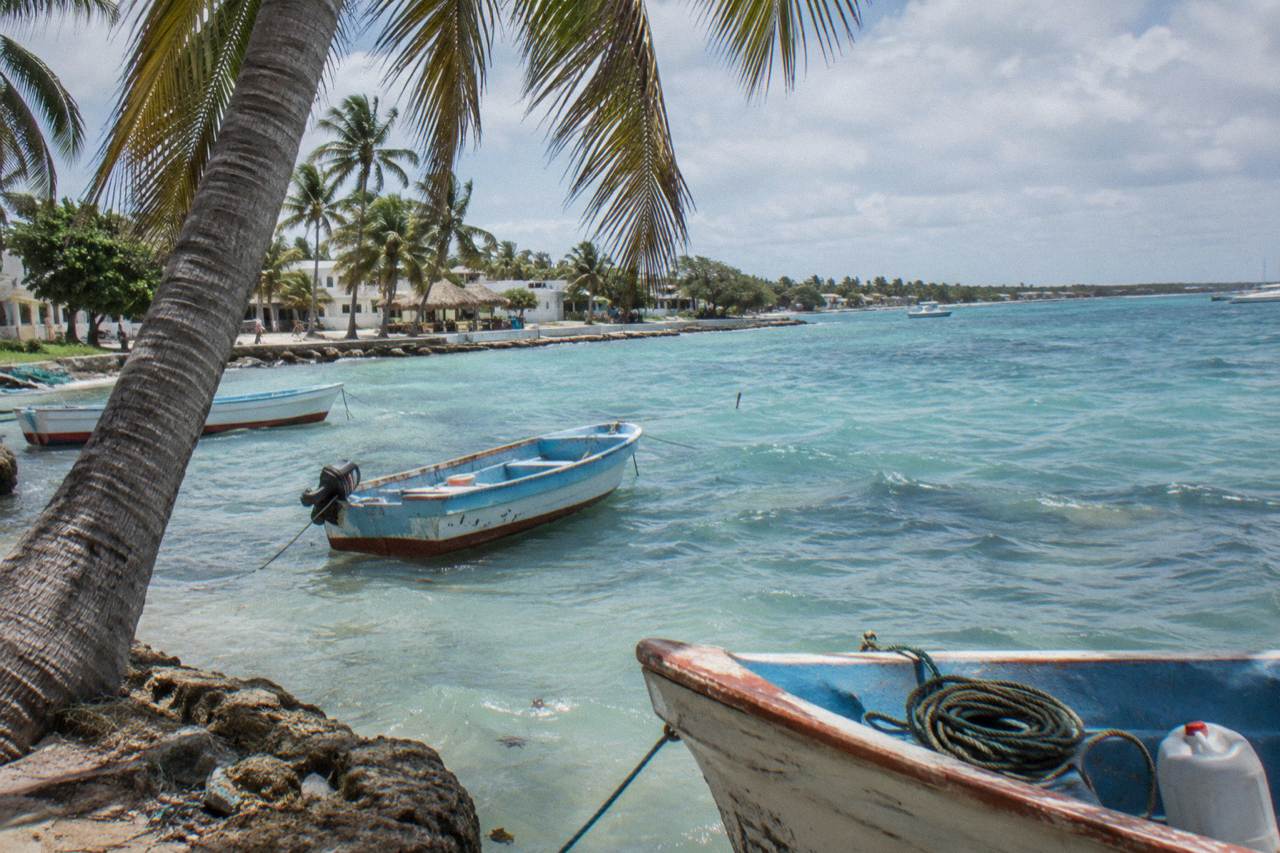
Bayahibe sits on the Dominican Republic's southeastern Caribbean coast, roughly 60 to 90 minutes by road from the Punta Cana hotel zones, and almost every boat bound for Saona Island and Catalina Island leaves from its pier area. Punta Cana and Bavaro, by contrast, hold the country's biggest concentration of all-inclusive resorts, golf courses, and organized excursions, from dune buggies to ziplines to party boats. Travellers comparing the two usually have the same underlying question: is it worth staying in the sleepy village where the boats leave, or in the resort strip and taking the transfer?
The answer depends on what the week is for. A reader whose whole trip is built around island days on the water will experience Bayahibe very differently from a reader who wants nightlife, spa treatments, and a different excursion every morning. This comparison walks through the beach, the resort scene, the boat logistics, the costs, and the seasonal factors honestly, so the choice reflects the trip rather than the brochure. Prices and ratings for each tour are worth confirming on the live booking page before you book, since details like pickup points and inclusions can vary.
Bayahibe is better for a quiet, boat-centric trip centred on Saona and Catalina, since the islands' tours depart from its pier and the village stays small, walkable, and low-key. Punta Cana is better for first-time visitors who want resort facilities, a wide excursion menu, and direct airport access, since Punta Cana International serves the area. Most travellers with five nights or fewer get more from Punta Cana; slow travellers with a week or more often prefer Bayahibe.
The honest version of this comparison starts with scale. Punta Cana and Bavaro stretch along dozens of kilometres of Atlantic-facing coastline, with resort zones from Cap Cana in the south to Uvero Alto in the north. Bayahibe is a single village beside a national park, Parque Nacional Cotubanama, with a handful of hotels, dive shops, and beachfront restaurants. One is a destination region; the other is a departure point that became a destination almost by accident.
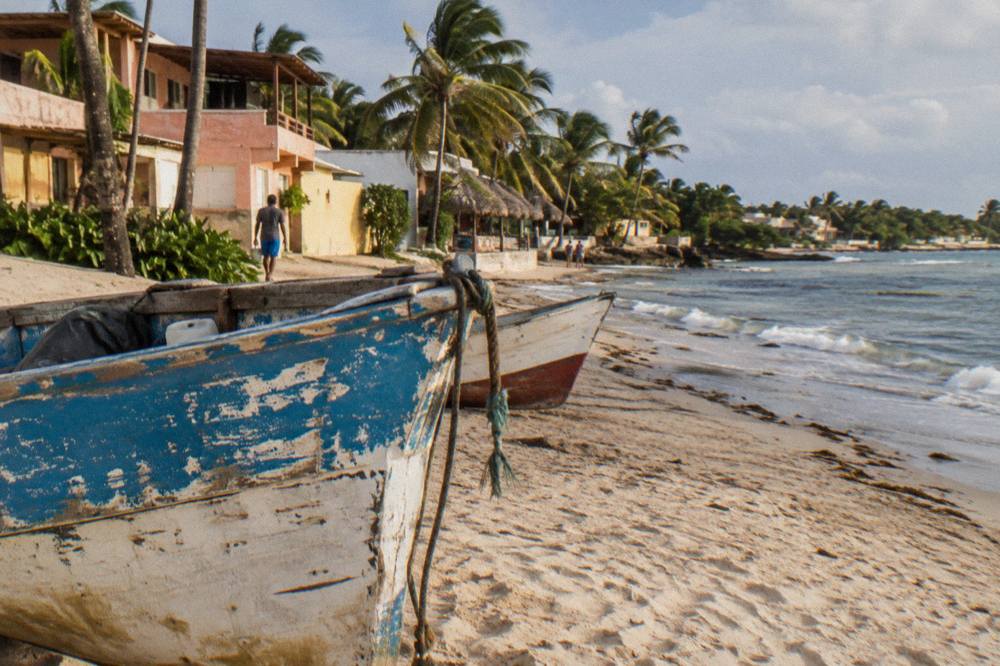
That difference in scale drives everything else. Punta Cana offers the full range of Punta Cana excursions, from ATV rides through cattle ranch roads to dolphin encounters, because a large resident population of visitors sustains them all. Bayahibe offers a narrower but deeper menu: Saona, Catalina, reef snorkeling, and a genuinely local seaside rhythm that the big strip lost years ago.
Neither town owns the islands. Saona and Catalina sit inside the national park, run by the Ministry of Environment, and organized tours with included park access are the standard way visitors reach them. The natural pool sandbar and the starfish there are protected; removing starfish, shells, coral, or sand is prohibited. That rule applies identically whether a boat departs from Bayahibe or carries passengers transferred in from Punta Cana, so choosing a base does not change the island experience itself, only the logistics around it. If you're still weighing which town makes the better home base, the comparison of Punta Cana and La Romana as trip bases covers beaches, prices, and day trips.
The choice also interacts with how long the trip runs. A three-night weekend spent in Bayahibe can feel empty once two island days are done, since the village quiets down early and the restaurant count is modest. The same weekend in Punta Cana fills easily, and the island days simply become two of several. Reverse the length to ten nights, and Bayahibe's calm becomes an asset rather than a limitation.
What Kind Of Beach And Resort Scene Does Each Town Have?
Punta Cana's beaches face the open Atlantic, run long and wide, and sit in front of large all-inclusive resorts with pools, spas, and evening entertainment; Bavaro Beach and Juanillo in Cap Cana are the best known stretches. Bayahibe's main beach is a compact Caribbean-facing cove beside the fishing boats, calmer and warmer, with small hotels and independent restaurants rather than resort complexes. Swimmers who dislike waves usually prefer Bayahibe's water.
The Atlantic versus Caribbean distinction matters more than many visitors expect. Punta Cana's shoreline gets the rolling surf and breeze that windsurfers and kitesurfers enjoy, and in certain months it also gets sargassum, the drifting seaweed whose arrivals are tracked by seasonal forecasts. Beaches along Bavaro, Los Corales, and Cap Cana commonly show low sargassum risk from late October onward, once the peak arrival months have passed, though conditions always vary day to day and beach by beach.
Bayahibe faces south and west into the channel toward Saona, rather than straight out into the open Atlantic. Its water tends toward the flat, bath-warm clarity people picture when they imagine the Caribbean. The trade-off is that the beach itself is short: a visitor can stroll its full length with ease, past the pier where Saona and Catalina boats depart and a short stretch of sand with chairs in the sand.
The resort question follows the same pattern. Punta Cana's inventory spans everything from family complexes with water parks to adults-only suites, and the paid park attractions of Cap Cana, including the Hoyo Azul cenote reached through Scape Park admission, give resort guests a full-day land option when the sea is rough. Bayahibe's hotels are smaller and often independently run; spa menus, kids' clubs, and shows are rare. Readers deciding purely on accommodation quality and variety should lean Punta Cana, and the guide to Punta Cana Travel Tours territory by area covers which hotel zone pairs best with which excursions.
Dining follows suit. Bayahibe's waterfront restaurants serve catch-of-the-day fish within sight of the boats that caught it, at prices generally gentler than resort-strip fare, though exact menu prices vary and should be checked directly. Punta Cana counters with hundreds of restaurants across every price tier, from mall food courts to celebrity-chef outposts inside the resorts. Food variety favours the strip; food simplicity and freshness favour the village.
How Do Saona And Catalina Tours Depart From Bayahibe?
Saona and Catalina boats leave from the Bayahibe and Dominicus pier area, about 60 to 90 minutes by road from Punta Cana and Bavaro, so Punta Cana guests reach the same docks by transfer before boarding. Crossings usually run 20 to 60 minutes by speedboat or one to two hours by catamaran depending on sea and operator. Staying in Bayahibe removes the transfer; it does not buy a different island.
This is the single biggest fact in the comparison, and it cuts against the assumption that Bayahibe holds an exclusive advantage. Every Saona tour sold to Punta Cana hotel guests includes road transfer to the same pier area. The typical schedule from Punta Cana runs hotel pickup between 6:30 and 8:00 in the morning, earlier from northern zones like Uvero Alto, boat departure from Bayahibe around 9:15, a natural pool stop, beach time and lunch on Saona, and a return to hotel between 3:30 and 6:30 in the evening, for a total of roughly eight to eleven hours door to door.
From a Bayahibe hotel, the same island day compresses. Pickup is a short walk or shuttle, the boat leaves from the bay in front of the village, and the whole excursion can feel less like a production. For travellers booking two or three island days, that difference compounds pleasantly. For travellers booking one, it amounts to a later wake-up and a shorter bus ride.
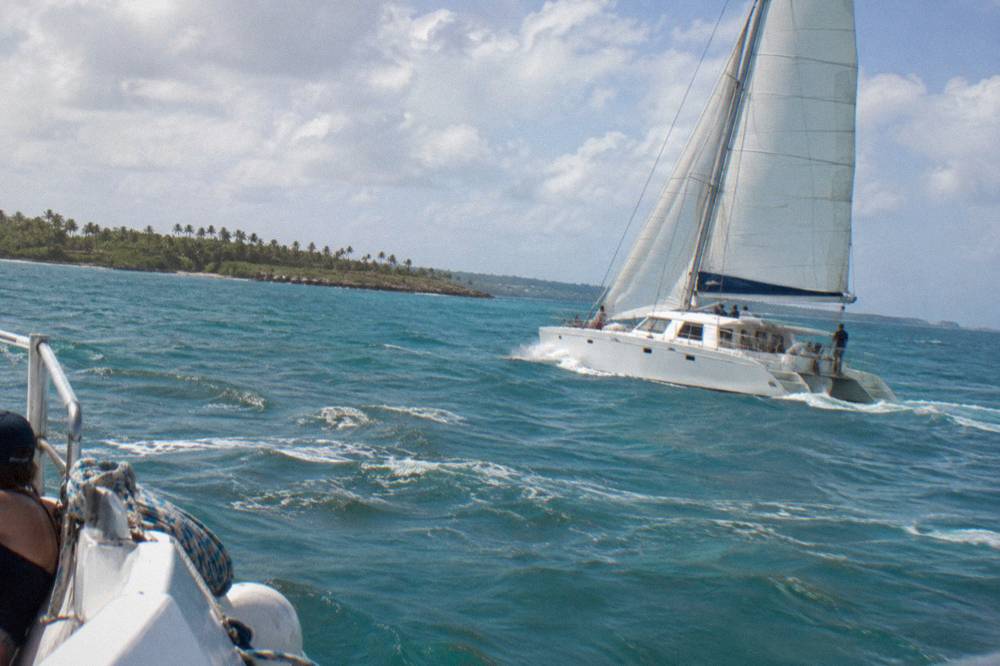
The tours themselves are the same products wherever the guest sleeps. A popular example is the Catamaran to Saona Island with Food and Open Bar option booked from Punta Cana, from $66 per person with hotel pickup listed, rated 4.3 across 1,218 reviews; its eight-hour day includes a meal, drinks, and free cancellation. A reader weighing the two towns can also compare it against the full guide to Saona Island tours from Punta Cana, which breaks down catamaran, speedboat, and small-group formats side by side.
Bayahibe's real edge appears with Catalina and with quieter Saona variants. The Catalina Island all-inclusive day trip, from $69 per person, rated 4.2 across a modest 75 reviews, sails for a snorkeling-focused island day that operators position as less crowded than Saona. On the Saona side, the Mano Juan and Canto de la Playa tour, from $119 per person and rated 5.0 across 168 reviews, spends its day on the island's quiet southern side rather than the main beach crowds, capped at 30 travellers. Readers torn between the two islands can start with the comparison piece on whether Catalina or Saona is the better pick.
A practical note on sea state: island crossings are weather dependent, and operators cancel or reschedule when conditions are poor, with free cancellation applying on the tours named here. That risk exists from either base. What staying in Bayahibe does change is the recovery from a cancelled sailing, since a rebooked departure does not require re-coordinating a long transfer.
Is Bayahibe Cheaper Than Punta Cana?
Honest answer: not on tour prices, and the cheapest Saona tours are sold from Punta Cana with hotel pickup included. Shared Saona days from Punta Cana hotels start at from $66 per person, with small-group options start from $165 and $169 per person. Bayahibe's savings, where they exist, come from smaller hotels and simpler restaurants, not from cheaper boats, and per-person island pricing is the same product either way.
It is worth being blunt here, because the myth that departing from Bayahibe buys a cheaper island day circulates widely. The Saona tours sold to Punta Cana guests already bundle the road transfer into a single per-person price, and the floor among them is the $66 catamaran day named above. Boat operators price by seat and by season, not by where the passenger slept the night before.
| Tour | Duration | Price basis | Group size | Rating |
|---|---|---|---|---|
| Catamaran to Saona with Food and Open Bar | 8 to 8.5 hours | from $66 per person | Not stated | 4.3 across 1,218 reviews |
| Saona, Mano Juan and Canto de la Playa | 8 hours | from $119 per person | max 30 | 5.0 across 168 reviews |
| Catamaran Boat to Saona with Buffet Lunch | 8 hours | from $71 per person | up to 50 | 4.4 across 4,780 reviews |
| Small Group Saona Island Full Day | 9 hours | from $165 per person | max 12 | 4.9 across 1,572 reviews |
| Catalina Island All-Inclusive | 9 hours | from $69 per person | up to 60 | 4.2 across 75 reviews |
Where money genuinely differs is on land. Bayahibe's small hotels and guesthouses often undercut the all-inclusive pricing of the big strip, though rates move with season and should be checked directly. Independent restaurants in the village price a grilled fish lunch well below what resort guests pay inside the gates. Punta Cana counters with sheer competitive volume: dozens of resorts in every tier, frequent package pricing with flights, and an excursion market deep enough that options exist from $24 per person for buggy rides up to private catamaran charters.
Two cost items are identical from either base. The Dominican Republic's E-Ticket entry and exit form is free and official, completed online at the migration authority's site, with the old tourist card fee already included in most airfares. And park access for the islands runs through the tours; where a tour's page does not state that park entry is included, check the booking page rather than assuming, since the Cotubanama park authority publishes no simple fee schedule.
Budget travellers should also read the numbers in context. A Bayahibe stay plus two island days can total less than a Punta Cana all-inclusive week, but that comparison reflects the accommodation style, not the boats. Anyone promising a cheaper Saona ticket by virtue of the departure town is selling a story.
What Does A Full Day Look Like From Each Base?
A Punta Cana day starts with a scheduled hotel pickup, often before 8:00, then a 60 to 90 minute transfer to the Bayahibe pier area, then the island day itself, returning to the hotel by late afternoon or early evening. A Bayahibe day starts at the dock, roughly 9:00, and ends back in the village mid-afternoon with the rest of the day free. Same islands, very different pacing.
From Punta Cana, the island day is a commitment. The schedule published by operators runs pickup from 6:30 to 8:00 in the morning depending on hotel zone, which means a wake-up call on vacation. The road transfer east and south is comfortable on modern highways, but it is still a bus ride each way. Guests who book the popular combo format get a speedboat in one direction, a 25 to 45 minute crossing, and a catamaran back, a 60 to 75 minute sail with music and drinks, which balances speed and atmosphere and is the most common layout sold.
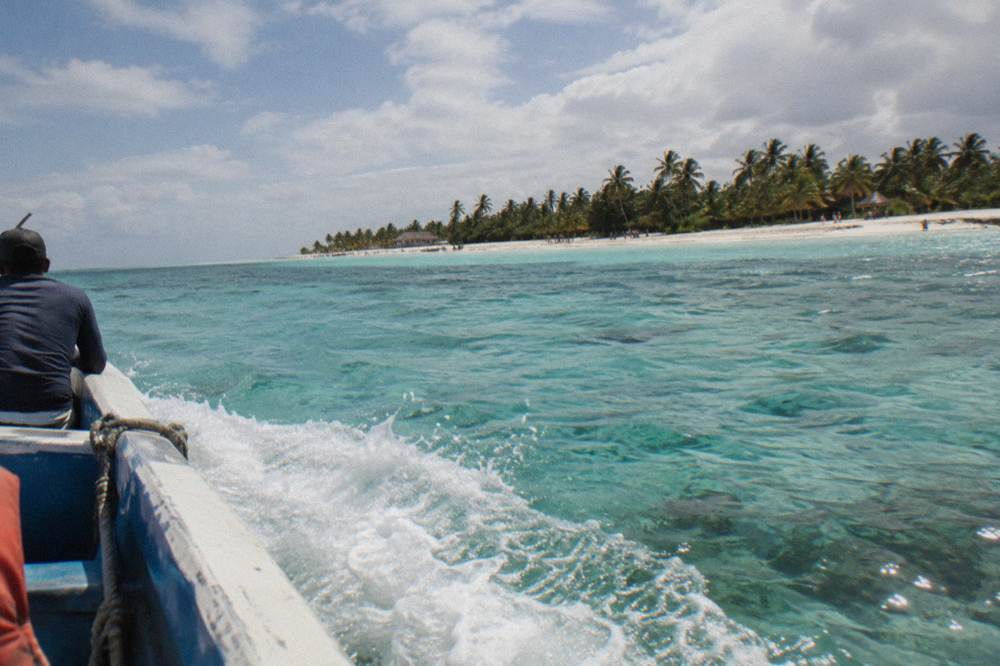
From Bayahibe, the same islands feel like a neighbourhood outing. A reasonable question travellers ask is how long the boat ride to Saona actually is, and from Bayahibe the honest answer is: short enough that a half-day on the water and a half-day on the village beach both fit. Afternoon energy stays intact for snorkeling off Dominicus, a walk to the nearby cave, or a long seafood lunch.
The non-island days diverge sharply. From Punta Cana, a visitor can rotate through a buggy circuit to a water cave and Macao Beach, from $45 per person on the most-reviewed ATV option, rated 4.8 across 3,513 reviews; a zipline and hanging-bridge course from $65 per person, rated 5.0 across 1,001 reviews; or a full-day Santo Domingo city tour from $95 per person, rated 4.8 across 5,427 reviews, with about 2.5 hours of driving each way. From Bayahibe, the land options thin out to horseback riding, a few dive shops, and the slower pleasures of doing less.
Families should weigh this carefully. Kids who need pools, kids' clubs, and evening shows will be happier in Punta Cana's infrastructure. Families whose priority is one memorable island beach day can base in either town; the child simply experiences a shorter or longer bus ride. Note that on most buggy and ATV tours drivers must be 18 or older with a valid license, while children ride as passengers from around age 3 or 4 depending on the operator, details worth confirming on the booking page.
Which Town Wins On Weather And Seasons?
Both towns share the same tropical weather pattern, with the December to April high season dry and pleasant, summer hotter with a chance of afternoon storms, and the August to October hurricane-season window bringing the year's main variability. Bayahibe's sheltered Caribbean water runs calmer for boats; Punta Cana's Atlantic side carries more surf and more sargassum exposure in peak arrival months. Neither escapes hurricane season.
Sargassum deserves its own sentence because it genuinely differs between the coasts. The floating seaweed arrives on Atlantic-facing shores, which means Bavaro and Punta Cana's beaches absorb the arrivals while Bayahibe's south-facing bay largely sidesteps them. Forecast services currently show clean conditions and low sargassum risk across the main Punta Cana beaches as the peak season passes, with beach scores in the 67 to 76 range out of 100, but seaweed is a day-by-day reality and no booking should promise against it. To plan around the seaweed before you lock in dates, our forecast for next year's sargassum season covers which beaches stayed cleanest and how to time your boat excursions accordingly.
Hurricane season, which officially runs June through November, affects both towns equally in principle. In practice tours here run year-round, with operators rescheduling or canceling when weather demands, and the 2026 season has run below average so far, but no operator or article can promise a storm-free week, and tours cancel on sea state regardless of season. The dry high season from December through April is the safest planning window from either base.
Heat and insects tilt slightly toward Bayahibe's sea breeze or slightly against it depending on the month; the honest summary is that both towns are hot, and the difference between them on any given day is smaller than the difference between morning and afternoon. Travellers sensitive to humidity should simply travel in the dry season and stop comparing microclimates.
So Which Should You Choose?
Choose Punta Cana for a first visit, a short stay of five nights or fewer, families wanting resort facilities, or trips mixing many excursion types. Choose Bayahibe for slow trips of a week or more, diving and snorkeling enthusiasts, travellers who dislike transfers, and anyone whose itinerary is built around Saona and Catalina. Splitting the stay, Punta Cana first then Bayahibe, is a legitimate answer too.
The split-stay option deserves more attention than it gets. Since the transfer between the two runs under 90 minutes by road, a week split four-and-three gives a visitor the resort experience, the island mornings from the village pier, and no single long bus day, because the move between towns happens once. Bayahibe's small hotels make the second half feel like a change of pace rather than a downgrade in comfort, and the complete Saona planning guide published by local operators confirms the same pier logistics from either base.
For readers whose hearts are set on the quiet version of Saona, one booking stands out: the small-group full-day tour capped at 12 travellers, from $165 per person, rated 4.9 across 1,572 reviews, which trades the big-boat party atmosphere for space and attention. It departs through the same Bayahibe logistics whether the guest stays in the village or on the strip.
And for readers who decide the village is the better base, one honest caution: book the island days before arrival in high season, because Bayahibe's small operator slate fills faster than Punta Cana's deep market, and the alternative to a booked seat is a day watching the boats leave without you. Whichever town wins, the islands themselves, the natural pool, the protected starfish, the long sand of Canto de la Playa, stay exactly the same.
Common Questions About Bayahibe Versus Punta Cana
Is Bayahibe Better Than Punta Cana?
For a quiet, boat-centred trip focused on Saona and Catalina, yes: Bayahibe is smaller, calmer, and sits at the departure pier. For first visits, families, short stays, and variety of excursions and resorts, Punta Cana is the stronger base. Many travellers split the stay, Punta Cana first, then Bayahibe.
How Far Is Bayahibe From Punta Cana?
About 60 to 90 minutes by road from the Punta Cana and Bavaro hotel zones, on modern highways, per operator transfer schedules. Every Saona and Catalina tour sold from Punta Cana hotels includes this transfer in the tour day.
Do Saona Tours Leave From Bayahibe Or Punta Cana?
The boats leave from the Bayahibe and Dominicus pier area. Punta Cana guests are transferred there by road before boarding, usually arriving for a departure around 9:15 in the morning. Staying in Bayahibe removes the transfer but not a different island experience.
Is It Cheaper To Book A Saona Tour From Bayahibe?
No. The cheapest Saona tours are sold from Punta Cana with hotel pickup listed, starting at from $66 per person for a catamaran day with food and open bar. Tour prices are set per seat and by season, not by departure town. Bayahibe's savings come from smaller hotels and restaurants.
Does Bayahibe Get Sargassum Like Punta Cana?
Far less. Sargassum arrives mainly on Atlantic-facing shores, so Bavaro and Punta Cana's beaches absorb the peak arrivals in warmer months, while Bayahibe's south-facing bay sits largely outside the belt. Conditions still vary day to day on any beach.
Can You Stay Overnight On Saona Island Instead?
Saona has no lodging for visitors, so every day trip returns to the mainland by evening; the standard visit is a day tour. Some readers explore this question in detail, and the honest answer is that Bayahibe is the practical base for early departures.