Is Punta Cana Safe? Tourist Areas, Scams And Tour Safety
Punta Cana is one of the Caribbean's most visited resort strips, and the short answer on safety is reassuring for the way most people travel here: stay in the tourist corridor, book tours through established operators, and use known transport.
Short answer
Punta Cana is widely reported as safe for resort-based tourists. The US State Department rates the Dominican Republic at Level 2, Exercise Increased Caution, while noting tourist areas are generally safer. Booked tours run daily with hotel pickup, briefings and gear. The real risks are minor: sun, unfiltered tap water and opportunistic scams.
Punta Cana receives millions of visitors a year, and the overwhelming majority go home with nothing worse than a sunburn. That does not mean the question "is Punta Cana safe" has a one-word answer. It has a layered one, and this guide walks through each layer in plain terms: the official travel advisory and what it actually says, the day to day reality of the Bavaro and Punta Cana hotel zones, the scams that target visitors, transport, health basics, and what happens on the tours themselves, from the Saona catamaran boats to zipline courses in the hills. If tours are the part that still worries you, our guide to excursion safety in Punta Cana explains how operators work, weather cancellations, and what free cancellation actually covers.
The honest headline is that safety in Punta Cana tracks closely with how you travel. Resort-zone visitors who book excursions with hotel pickup, drink bottled water and keep their wits about them at the beach market report very few problems. Problems cluster around unlicensed beach vendors, unbooked taxis and overconfidence on an ATV. The sections below take each of those in turn. For a closer look at the traps themselves, our guide to what to stay away from in Punta Cana covers the scams, unlicensed vendors and sea conditions that most often catch visitors off guard.
Is Punta Cana Safe For Tourists Overall?
The US State Department rates the Dominican Republic at Level 2, Exercise Increased Caution, and its guidance notes that tourist areas are generally safer than the country at large. That places the Dominican Republic in the same advisory band as popular destinations like France and Costa Rica, and the practical reading is ordinary city-scale caution, not a warning against travel. Punta Cana itself is a purpose-built resort corridor whose economy depends on visitor safety.
Level 2 means be aware of your surroundings, avoid flashing valuables and use reputable transport, the same advice that applies to most vacation destinations. It is not a Level 3 reconsider-travel rating, and it is not specific to the Punta Cana, Bavaro corridor.
Two context points help. First, the resort zones are geographically distinct from the towns where most Dominicans live, and the hotel zones sit along one resort corridor running from Cap Cana through Bavaro, Punta Cana and Uvero Alto. Second, the region has no history of the political instability or civil unrest that drives higher advisory levels elsewhere in the region. Weather, not crime, is the variable most likely to change a Punta Cana week, and the 2026 Atlantic hurricane season has been below average, with ten named storms and one hurricane through late October and nothing active or expected to form in the coming days as reported by the National Hurricane Center outlook.
A practical framing: visitors are far more likely to be affected by sunburn, dehydration or a scraped knee on a buggy trail than by crime. Plan for the sun and the sea first, and treat crime prevention as the ordinary habits you would use in any tourist city.
| Layer | What it means for you | Practical step |
|---|---|---|
| Official advisory | Level 2, Exercise Increased Caution, as reported | Normal vigilance, no avoidance needed |
| Resort zones | Gated, patrolled, purpose-built for visitors | Very low reported incident levels |
| Outside the corridor | Ordinary Dominican towns, not tourist zones | Use booked transport, not informal rides |
| Health basics | Tap water, sun, alcohol in the heat | Bottled water, sunscreen, pacing |
| Sea and weather | Hurricane season June to November, sargassum varies | Check conditions and tour cancellation terms |
Are The Tourist Zones In Bavaro And Punta Cana Safe To Walk Around?
Yes, the Bavaro and Punta Cana hotel zones are generally reported as safe to walk during the day and in the evening along the main tourist streets, with a visible security presence and a visitor economy that runs on foot traffic. The advice that matters is standard: walk the lit main streets rather than empty beach stretches at night, and keep phones and cash discreet.
The tourist corridor is compact and busy. Hotel strips, beach accesses, plazas and restaurant rows sit close together, and visitors walk between them constantly. Beach vendors can be persistent, especially around Bavaro's public access points, but persistent is not dangerous, and a polite "no, thank you" repeated once or twice ends almost every interaction. Firm and friendly works better than either engagement or rudeness.
Solo travelers and families report broadly similar experiences in the corridor, with the usual caveat that anyone walking alone at 2 a.m. anywhere in the world is accepting more risk than someone walking at 7 p.m. on a busy street. Women traveling alone commonly report feeling comfortable in the resort zones while noting that unwanted attention from vendors and on the street is a nuisance factor rather than a safety event. Treat the beach itself after dark as somewhere you go in a group or not at all.
Water conditions are worth folding into the same question. As of late October, major Punta Cana beaches including Bavaro, Los Corales, Cap Cana and Uvero Alto have shown clean conditions with low sargassum and beach scores in the 67 to 76 range, a welcome post-peak pattern. Conditions shift with wind and season, so check a current beach report rather than assuming, and swim where lifeguards or hotel flags are present. Our Punta Cana sargassum guide covers the seasonal pattern in depth.
For many visitors the safest and most rewarding use of a day is a booked excursion, which moves you through the region with a driver, a guide and a fixed itinerary. The most reviewed options on the east coast cover the sea, the adventure parks and small-group days on the water, and all of them come with free cancellation.
Is It Safe To Book Tours And Excursions In Punta Cana?
Booked tours are among the safest things you can do in Punta Cana. Established operators run daily departures with hotel pickup, safety briefings, provided helmets and harnesses on adventure tours, and free cancellation on the listings reviewed here. The Saona catamaran with buffet lunch runs from $71 per person, rated 4.4 across 4,780 reviews, and the zipline-buggy-horseback combo is rated 4.9 across 5,400 reviews.
Tour safety in this region is structural. Hotel pickup means you are collected at your resort gate and returned there, never negotiating a ride in an unfamiliar place. Guides ride with you, gear is provided, and the adventure products follow standard safety protocols with briefings before every activity, a point made consistently across current operator descriptions. These Punta Cana adventure tours run year-round under standard operator safety rules, with cancellations mainly weather-related.
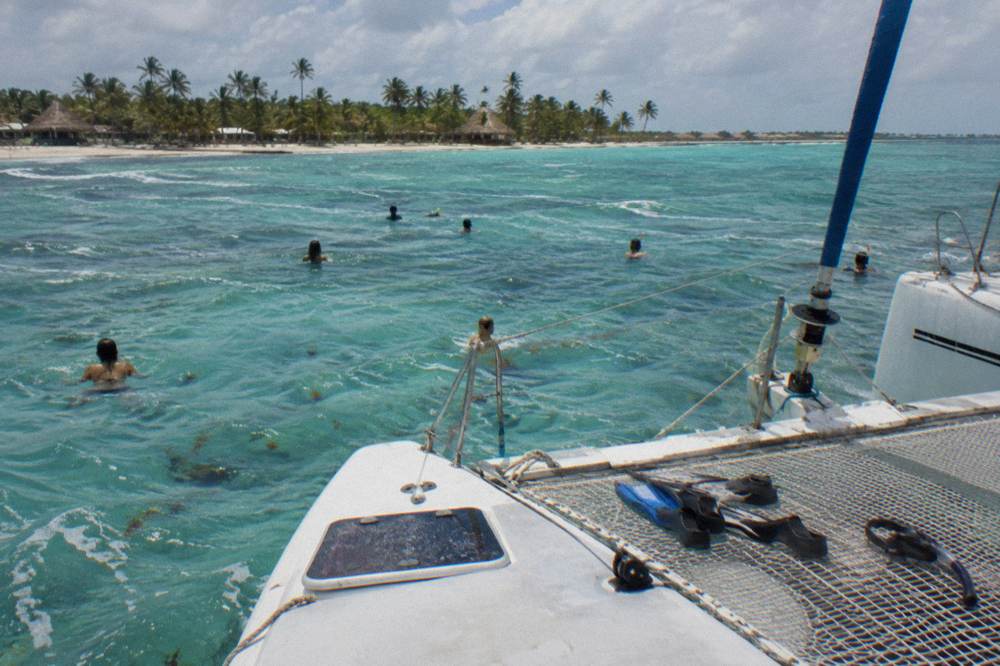
The biggest tour product in the region is the Saona Island day trip, and it is a good case study in how safety works here. Saona sits inside Parque Nacional Cotubanama, run by the Ministry of Environment, and organized tours are the standard access method. A typical day: hotel pickup between 6:30 and 8 a.m., a road transfer of about 60 to 90 minutes to the Bayahibe and Dominicus pier area, a boat crossing of roughly 25 to 45 minutes by speedboat or 60 to 75 minutes by catamaran, then beach time, lunch and a natural pool stop, returning door to door in eight to eleven hours. Boats are captained crews, not informal watercraft, and tours include swimming stops in waist-deep water with guides present. The catamaran boat to Saona Island with buffet lunch is a strong first pick: eight hours, from $71 per person, hotel pickup listed, meal and drinks included, free cancellation, and a 4.4 rating across 4,780 reviews.
Adventure tours carry the same structure with different gear. The Punta Cana Zipline Adventure with Buggies and Horseback Riding runs six hours from $100 per person with meal and drinks included and a maximum of 100 travellers, rated 4.9 across 5,400 reviews, one of the most reviewed products on the east coast. Riders get helmets and harnesses and a briefing at each activity, no experience is required, and routes are designed for beginners. Zipline listings commonly set a minimum age around six, with maximum rider weights in the 120 to 127 kg range; Scape Park, the region's main adventure park, posts its activity rules publicly, including maximum weights around 280 lbs for zip lines and restrictions for pregnant guests, on its official rules page.
Water-based tours follow the same pattern. The Small-Group Cruising and Snorkeling Catamaran Tour caps its boat at 16 travellers, includes drinks and hotel pickup, runs three and a half hours from $99 per person, and is rated 4.9 across 2,659 reviews. Smaller boats mean a higher guide-to-guest ratio, which matters if you are a nervous swimmer or traveling with kids. Anyone wanting a fuller picture of the sea options can read our Punta Cana catamaran tours guide, and snorkelers should see the Punta Cana snorkeling tours guide for reef and gear details.
| Tour | Duration | From | Rating | Safety-relevant inclusions |
|---|---|---|---|---|
| Saona catamaran with buffet lunch | 8 hours | $71 per person | 4.4 across 4,780 reviews | Hotel pickup, meal, drinks, free cancellation |
| Zipline with buggies and horseback riding | 6 hours | $100 per person | 4.9 across 5,400 reviews | Pickup, meal, drinks, briefings and gear |
| Small-group snorkeling catamaran | 3 hours 30 minutes | $99 per person | 4.9 across 2,659 reviews | Max 16 travellers, pickup, drinks |
| ATV adventure to water cave and Macao Beach | 4 hours | $45 per person | 4.8 across 3,513 reviews | Pickup, helmets and briefing described |
| Santo Domingo full-day city tour | 10 hours | $95 per person | 4.8 across 5,427 reviews | Guided itinerary, meal and drinks, max 49 |
One wildlife note, because it comes up in safety conversations. Dolphin encounters exist here, including the Dolphin Explorer swims listing from $120 per person, rated 4.1 across 378 reviews. If animal welfare is part of your safety and ethics picture, ask the operator directly about pool sizes, veterinary care and interaction limits before booking; the listing describes the interactions, and your questions should get straight answers.
How Do You Avoid Scams In Punta Cana?
The scams that actually occur in Punta Cana are low-level and avoidable: unbooked taxi overcharging, timeshare and vacation-club pitches disguised as prize wins, aggressive beach vendor markups, and unofficial excursions sold on the beach. None are violent. The defenses are simple habits: book tours in advance through established operators, agree taxi fares before entering the car, and treat any unsolicited prize as a sales pitch.
Timeshare pitches are the most polished. Someone offers a free excursion, a discounted tour card or a meal voucher, then requires attendance at a presentation. The presentation can consume half a day and involves high-pressure sales. The rule: anything free that requires you to go somewhere and listen is not free.
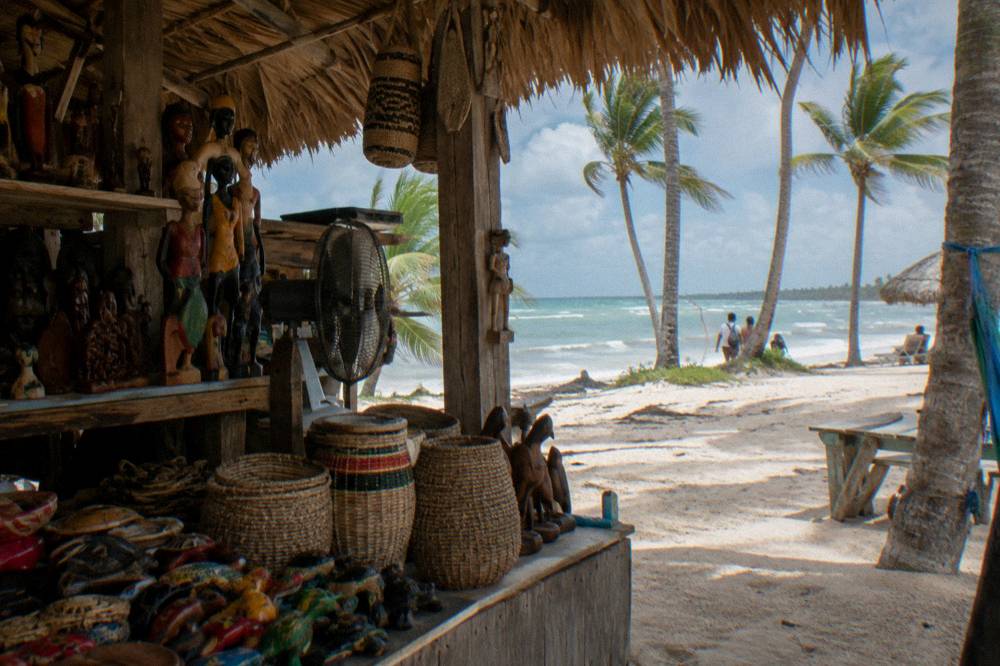
Beach excursions sold by walkers on the sand deserve a specific warning, because they sit at the intersection of scams and genuine safety. An unlicensed boat or buggy operator has no booking trail, no cancellation policy and often no insurance. Established tours list free cancellation, hotel pickup and fixed inclusions, which is exactly what an unlicensed seller cannot match. If a price seems far below the established range, ask what is missing: usually it is the insurance, the gear maintenance or the licensed access to places like Cotubanama park, where independent boat access is not the norm for visitors.
| Situation | What it looks like | What to do |
|---|---|---|
| Prize or scratch card | You have won a dinner or excursion | Walk away, it is a timeshare pitch |
| Beach tour seller | Very cheap boat or buggy trip, no booking | Book through an established operator instead |
| Unmetered taxi | No meter, vague fare | Agree the price before getting in, or pre-book a transfer |
| Photo money | Offered a photo with an animal or prop | Confirm price first, decline if pressured |
| Currency switch | Change given in a confusing mix | Carry small USD bills, count before leaving |
Money handling ties in. US dollars are widely accepted for tips, transfers and many services, and carrying small bills, ones and fives, removes the change-counting pressure that small scams rely on. Tips are genuinely expected in this economy: about $2 to $5 per day for housekeeping, $1 to $2 per drink round, $5 to $10 per person for half-day tours and boat crews, and $10 to $20 per person for full-day guides. Our Punta Cana nightlife guide has more on evenings out, and the blog post on things to stay away from in Punta Cana runs the full list of traps.
Is Transport And The Airport Safe In Punta Cana?
Yes, and transport is one area where pre-booking does the most safety work. Punta Cana International operates two main passenger terminals, arrivals immigration typically takes 15 to 40 minutes, and pre-booked private transfers start around $29 to Cap Cana and $35 to Bavaro per vehicle for up to six passengers, with drivers meeting arrivals inside the terminal with a name sign and tracking flights.
The airport itself is modern and busy, purpose-built for tourist volume. Terminal A serves many Canadian and European charters, Terminal B most US carriers. After baggage and customs, pre-booked drivers wait inside arrivals with name signs, and flight tracking with no extra waiting fee is standard practice among transfer operators, while shared shuttles make multiple stops.
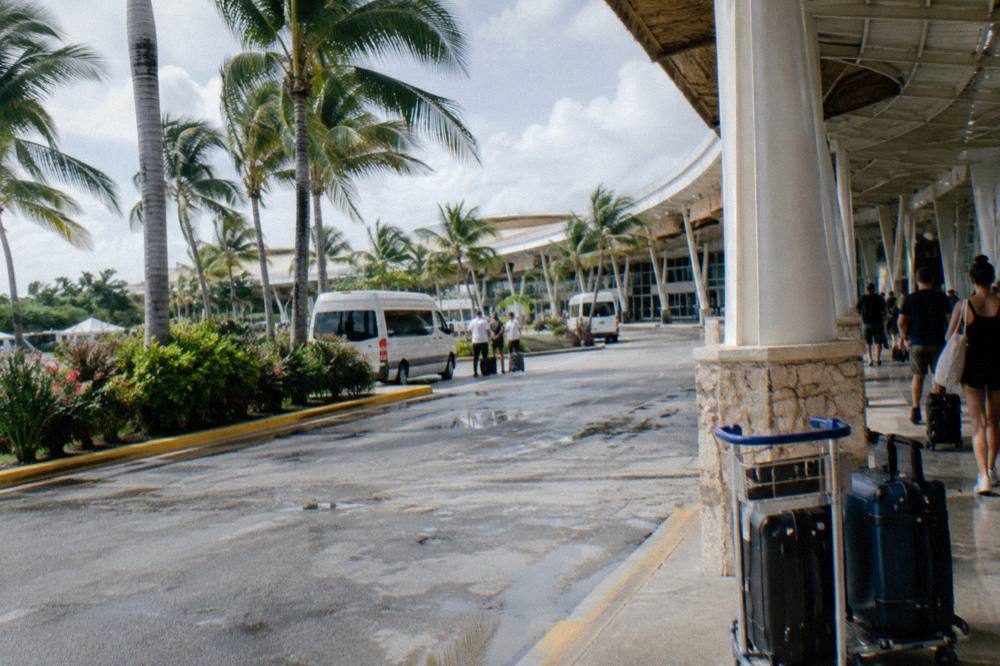
On the road, the honest picture has two parts. Highways between the airport, Bavaro, Higuey and the resort zone are in good condition, and tour transfers use modern buses and vans. Within the corridor, traffic is the real hazard: motorbikes move fast and close, roads flood briefly in heavy rain, and night driving outside the lit corridor is best avoided. Visitors who drive themselves should do so defensively, in daylight, and never after drinking. Our Punta Cana airport transfers guide covers the options in detail.
One arrival note that saves stress: the Dominican E-Ticket entry form is free and official, filed online before you fly, with separate arrival and departure QR codes and one form covering a family of up to seven. The $10 tourist card fee is included in most airfares and is not paid separately at the airport. Anyone asking you to pay a fee to file the E-Ticket is selling you something the government gives away, which is a scam of the paperwork variety. The official form lives at the migration authority's E-Ticket site.
| Transport mode | Typical cost basis | Safety notes |
|---|---|---|
| Pre-booked private transfer | From $29 to $35 per vehicle, one way, up to 6 passengers | Driver meets arrivals, flight tracked |
| Shared shuttle | Lower per seat, multiple stops | Book ahead, longer ride |
| Hotel taxi | Higher, fixed by zone | Safe, agree fare first |
| Tour pickup | Included in tour price | Driver and guide, fixed itinerary |
| Rental car | Varies | Drive defensively, avoid night roads |
Is The Food And Water Safe In Punta Cana?
Food in resorts and on booked tours is generally reported as safe, and hygiene standards in the tourist economy are geared to international visitors. Tap water is the exception: do not drink it, use bottled water, also for brushing teeth, and be moderate with ice and raw street food in the first days. Most stomach trouble among visitors traces to heat, alcohol and overdoing unfamiliar food rather than to dangerous kitchens.
Resort kitchens, tour catering and established restaurants in the corridor serve thousands of daily covers with few reported problems. Tour lunches, from Saona beach barbecues to the buffet on the catamaran trips, are prepared for group volume. If you have allergies, tell the operator at booking and again to the guide on the day.
The practical health kit for Punta Cana is short: sunscreen applied seriously, more water than you think you need, rehydration salts if the heat catches you, and basic stomach remedies. The tropical sun is the item that actually puts people in trouble, particularly on boat days where reflection doubles exposure. Our blog posts on what food to stay away from in Punta Cana and what to pack for an excursion cover both halves of that equation. Where you sleep matters for excursion logistics too, and our guide to Punta Cana's areas compares each zone by pickup times and boat departure access.
| Health topic | Reported situation | Your move |
|---|---|---|
| Tap water | Not for drinking | Bottled water, including for teeth |
| Resort food | Widely reported safe | Normal variety, pace yourself early |
| Street food | Varies by stall | Choose busy, freshly cooked stalls |
| Sun and heat | Leading cause of visitor illness | Sunscreen, shade, water, hat |
| Insects | Mosquitoes present | Repellent at dawn and dusk |
What Should You Stay Away From In Punta Cana?
Stay away from four things: unlicensed beach excursion sellers, unbooked taxis at night, swimming on unflagged or unattended beaches, and any tour activity beyond your honest fitness level, such as driving an ATV without a license or ziplining against posted weight and pregnancy restrictions. Every one of the genuine trouble stories in this region involves at least one of those four.
The adventure sector deserves a straight paragraph on self-assessment. ATV and buggy tours require drivers to be 18 or older with a valid license, checked at check-in, and passengers including children ride as non-drivers, with minimum passenger ages commonly starting at 3 to 8 depending on the operator. Helmets are provided and required, routes are beginner-friendly, and mud and dust are constants, so wear old clothes and closed shoes. The listings state age and weight limits clearly, for example Scape Park's official rules page covering activity weights and pregnancy restrictions. Honesty about limits is not just rule-following, it is the difference between a story and an injury.

The Monkeyland and Plantation Safari Tour makes a good family-safe example: six hours from $95 per person, hotel pickup, meal and drinks included, rated 4.8 across 4,879 reviews, with a capped group of 100 and no licenses or gear required beyond a seat on the truck. For a city day, the Full-Day Santo Domingo City Tour runs ten hours from $95 per person with a guide throughout, meal and drinks included, and a 4.8 rating across 5,427 reviews, a way to see the capital with a guide beside you the whole way.
Weather is the final stay-away category, and it is seasonal rather than scary. The Atlantic hurricane season runs June to November, and this season has been below average with nothing active in the seven day outlook as of late October. Tours are weather-dependent, sea crossings can be cancelled or rescheduled, and every major listing reviewed here offers free cancellation, so a storm on your week costs you a reschedule, not your money. Read our Punta Cana hurricane season guide for the seasonal pattern.
Do You Need To Worry About Anything Else?
Mostly no. The residual risks are ordinary travel risks: petty theft in crowds, dehydration, jellyfish and sea urchins at unattended beaches, and traffic. None justify changing a Punta Cana trip. Plenty of visitors arrive unsure of what to expect, then settle into resort-zone routines and booked excursions without incident, especially once they have done one guided excursion and seen how the logistics work.
Consider what a booked day actually gives you. On the Saona catamaran tour you are picked up at your hotel, driven to the pier, briefed, taken across the water with a crew, fed, swum in a supervised natural pool and returned to your gate, all for from $71 per person with free cancellation. That structure removes nearly every decision point where trouble finds tourists. The same logic scales up to the big combo days and down to a three-hour snorkel cruise.
Money and documents are the last loose ends. Keep your passport in the hotel safe and carry a copy. USD small bills serve tips and small purchases, and resort-zone prices are commonly quoted in dollars anyway. And a reassuring word for the wary: the region's own visitor numbers, and the sheer volume of reviews on tours like the Saona catamaran and the zipline combos, are the loudest evidence that the corridor works, day in and day out, for millions of people a year. This site, Punta Cana Travel Tours, exists because those tours run well enough to recommend with a straight face.
If safety was the last thing holding you back from booking, the practical summary is this: the advisory is moderate, the tourist zones are calm, the tours are structured and well reviewed, and the main hazards are sun and water that you control. Whichever of those facts tips you toward a day on the water or a day in the hills, these are the three tours that best combine strong review histories with the safety features that matter, hotel pickup, capped groups and free cancellation:
Common Questions About Punta Cana Safety
Is Punta Cana Safe For Tourists?
Yes, Punta Cana is widely reported as safe for resort-based tourism. The US State Department rates the Dominican Republic at Level 2, Exercise Increased Caution, and notes tourist areas are generally safer. Ordinary precautions, booked tours and reputable transport cover the practical picture.
Is Punta Cana Safe At Night?
The main tourist streets and resort areas in Bavaro and Punta Cana are generally busy and safe in the evening. Stick to lit streets, avoid isolated beach stretches alone after dark, and use booked or hotel transport rather than informal rides.
Are Punta Cana Excursions Safe?
Established tours run daily with hotel pickup, safety briefings, provided gear and licensed access to parks like Cotubanama. Leading products carry strong ratings across thousands of reviews, and free cancellation is standard on the options reviewed here.
Can You Drink The Water In Punta Cana?
No. Do not drink tap water in Punta Cana. Use bottled water for drinking and for brushing teeth, and go gently on ice and raw street food during your first days.
What Scams Should You Avoid In Punta Cana?
Watch for timeshare pitches disguised as prize wins, unlicensed beach excursion sellers, unmetered taxi overcharging and photo-fee surprises. Book tours in advance, agree taxi fares before entering, and carry small USD bills for tips.
Is It Safe To Drive An ATV In Punta Cana?
On a booked tour, yes, for licensed drivers 18 and older. Helmets are provided and required, briefings precede every ride, routes suit beginners, and no experience is needed. Children ride as passengers within the operator's stated minimum ages.